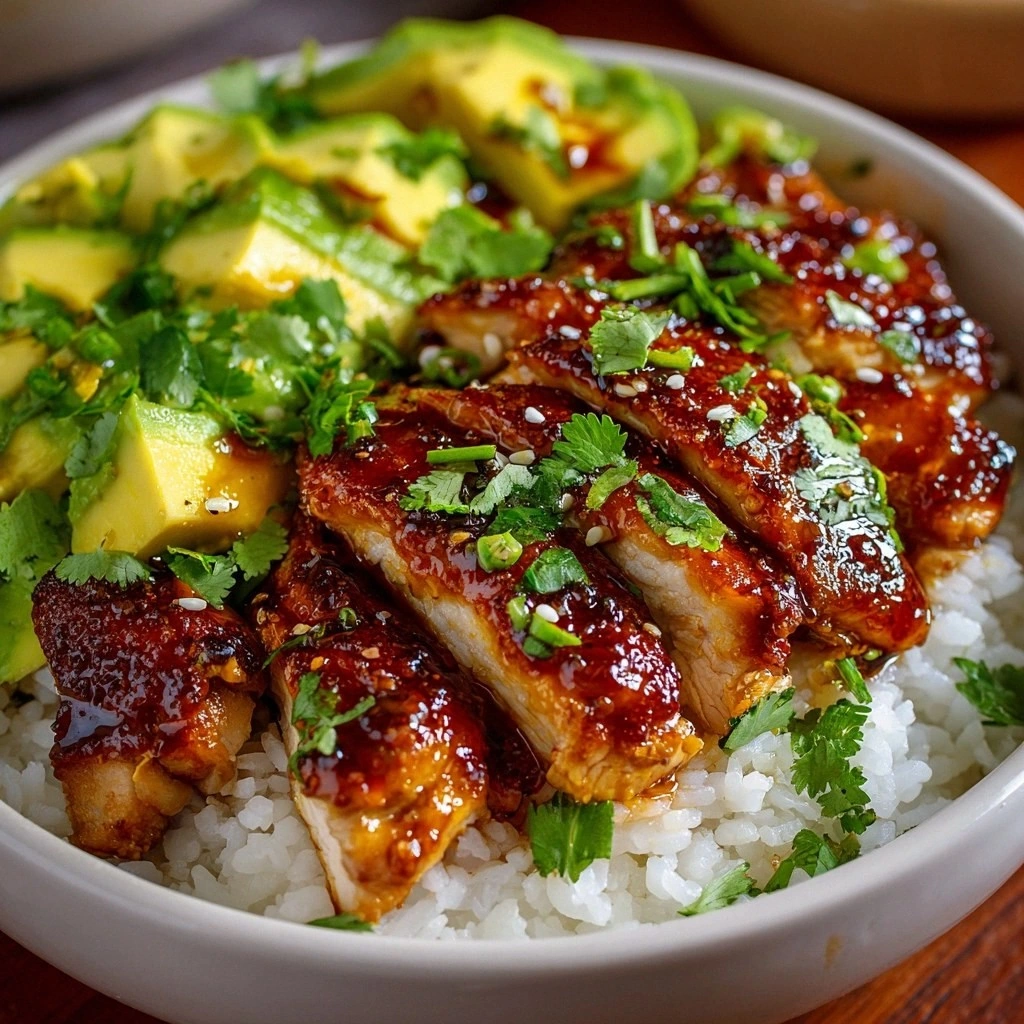
Picture the sizzling sound as the chicken hits the hot skillet, the golden crust forming like a caramelized sunrise. The aroma of honey mingles with lime zest, filling the kitchen with a citrusy sweetness that makes your nose twitch in anticipation. The sight of the avocado, cut into smooth cubes, adds a creamy contrast to the crisp chicken. Each bite delivers a burst of tang, a whisper of honey, and the cool richness of avocado, creating a sensory roller coaster that never ends. I could almost taste the crunch of the chicken’s edge, the soft melt of the avocado, and the subtle heat of lime on my tongue.
What makes this version stand out? It’s not just the combination of flavors; it’s how each element is elevated. The honey isn’t just a sweetener—it’s a glaze that caramelizes into a glossy coating that clings to the chicken like velvet. The lime juice is freshly squeezed, giving a bright, almost electric kick that cuts through the richness of the avocado. The avocado is diced into small cubes so it melts into the rice, creating pockets of creamy indulgence. The rice acts as a neutral base that absorbs the sauce, making every bite a perfect balance of textures and tastes.
I dare you to taste this and not go back for seconds. Most recipes get this completely wrong by overcooking the chicken or underseasoning the sauce. Here, the technique is simple but game‑changing: sear the chicken to lock in juices, then finish it in the honey‑lime glaze to achieve a caramelized exterior that still feels tender inside. The result is a dish that feels like a gourmet creation while being effortlessly made at home.
If you’ve ever struggled with balancing sweet and sour in a single dish, you’re not alone—and I’ve got the fix. Let me walk you through every single step—by the end, you’ll wonder how you ever made it any other way.
What Makes This Version Stand Out
- Flavor Depth: The honey‑lime glaze creates a sweet‑tang balance that lingers on the palate, turning a simple chicken dish into a flavor explosion.
- Texture Contrast: The crispy chicken skin, tender interior, creamy avocado, and fluffy rice combine into a textural medley that feels both comforting and exciting.
- Visual Appeal: The vibrant green avocado against the golden chicken and the bright yellow lime zest make the plate pop, inviting you to dig in.
- Time Efficiency: From prep to plate, this recipe takes less than an hour, making it perfect for busy weeknights.
- Make‑Ahead Friendly: You can prepare the chicken and sauce ahead of time; just reheat and stack for a quick meal later.
- Health‑Forward: Using fresh avocado and minimal added fats keeps the dish nutritious without compromising flavor.
Alright, let's break down exactly what goes into this masterpiece...
Inside the Ingredient List
The Flavor Base
Chicken Breasts are the star of the show, providing a lean protein that soaks up the honey‑lime mixture like a sponge. Without the chicken, the dish would lack substance. If you skip the chicken, the dish turns into a salad with no heart. A good rule of thumb: choose fresh, skin‑on breasts for extra flavor and texture. If you prefer a vegetarian version, replace the chicken with grilled portobello mushrooms, which will absorb the glaze just as well.
The Sweet‑Sour Sauce
Honey is the natural sweetener that balances the sharpness of lime juice. Its viscosity gives the sauce a glossy sheen that clings to the chicken. If you’re watching calories, you can halve the amount of honey and add a splash of orange juice for a different citrus note. Remember, the honey should be room temperature; cold honey will clump and create an uneven glaze.
The Unexpected Star
Avocado adds a creamy richness that melts into the rice, creating pockets of velvety texture. It also contributes healthy fats that keep you feeling satisfied. If you’re not a fan of avocado, try diced mango for a sweet twist or a sprinkle of toasted coconut for crunch. The avocado’s neutral flavor allows the lime and honey to shine without competition.
The Final Flourish
Cilantro is the herbal finish that brightens the dish and adds a fresh, slightly peppery note. If cilantro isn’t your thing, parsley works as a good substitute, or you can leave it out entirely. The cilantro’s bright green color also enhances the visual appeal of the finished plate. A pinch of salt and pepper ties all the flavors together, so don’t skip them.
Everything's prepped? Good. Let's get into the real action...
The Method — Step by Step
- Start by patting the chicken breasts dry with paper towels. This step is crucial for a perfect sear; excess moisture will steam the meat instead of browning it. Season both sides generously with salt and pepper, then let them sit at room temperature for 10 minutes to absorb the seasoning.
- Heat a large skillet over medium‑high heat and add a splash of oil. Once the oil shimmers, place the chicken breasts skin‑side down. The sizzle should be audible—if it’s barely audible, the pan isn’t hot enough. Cook for 5–6 minutes until the skin turns a deep golden brown.
- Flip the chicken and add the honey, lime juice, and a pinch of salt to the pan. Stir to coat the chicken evenly, then reduce the heat to medium. Let the sauce reduce slightly, forming a glossy glaze that coats the chicken’s surface.
- Cover the skillet with a lid and let the chicken finish cooking for 7–8 minutes, or until the internal temperature reaches 165°F. The sauce should thicken and cling to the chicken, giving it a caramelized finish.
- While the chicken cooks, prepare the avocado. Dice the avocado into small cubes, about the size of a pea, to ensure they soften slightly in the heat of the rice.
- When the chicken is done, remove it from the skillet and let it rest for 5 minutes. Resting allows the juices to redistribute, keeping the meat moist and tender.
- In the meantime, warm the cooked rice in a saucepan over low heat, stirring occasionally to prevent sticking. The rice should be fluffy and ready to absorb the remaining glaze.
- To assemble, layer a spoonful of rice at the bottom of each serving bowl, then top with a generous portion of avocado cubes. Slice the chicken into strips and arrange them on top of the avocado. Drizzle the remaining honey‑lime glaze over the stack, ensuring every bite is coated.
- Finish with a handful of chopped cilantro, a squeeze of fresh lime, and a light dusting of pepper. Serve immediately while the chicken is still warm and the glaze is glossy.
That's it — you did it. But hold on, I've got a few more tricks that'll take this to another level...
Insider Tricks for Flawless Results
The Temperature Rule Nobody Follows
Cooking chicken at the right temperature is key to a juicy interior. I’ve found that setting the skillet to medium‑high for the initial sear and then dropping to medium for the glaze reduction gives the best balance. If you keep the heat too low, the sauce will evaporate before the chicken cooks through. A quick test: place a small piece of chicken in the pan; if it sizzles immediately, the pan is hot enough.
Why Your Nose Knows Best
The aroma of honey caramelizing is a reliable indicator that the glaze is ready. When you smell that warm, slightly nutty scent, the sugar is just beginning to brown. At this point, add the lime juice to avoid burning the honey. Trust your nose; it’s a seasoned chef’s best friend.
The 5‑Minute Rest That Changes Everything
Resting the chicken after cooking allows the juices to redistribute, preventing a dry bite. I’ve seen people skip this step and end up with a stringy texture. Even a short 5‑minute rest makes a noticeable difference. If you’re in a rush, you can keep the chicken warm in a low oven (200°F) while you finish the rest of the dish.
Stirring the Sauce to Perfection
Stirring the honey‑lime mixture once or twice during reduction helps prevent clumps and ensures even coating. A gentle stir also encourages the sugars to caramelize evenly. If you notice a brown spot forming, simply lower the heat and continue stirring.
Using a Non‑Stick Skillet for Easy Cleanup
A high‑quality non‑stick skillet means the chicken will release naturally, and cleanup is a breeze. If you don’t have a non‑stick pan, lightly oil the surface and use a silicone spatula to prevent sticking. The extra step saves you from spending time scrubbing off browned bits.
Creative Twists and Variations
This recipe is a playground. Here are some of my favorite ways to switch things up:
Spicy Pineapple Salsa
Replace the avocado with a salsa made from diced pineapple, red onion, jalapeño, and cilantro. The sweetness of the pineapple balances the lime, while the jalapeño adds heat. This version is perfect for summer gatherings.
Thai Coconut Curry
Swap the honey‑lime glaze for a coconut curry sauce made with coconut milk, red curry paste, and lime zest. Add a handful of fresh basil leaves for an aromatic finish. The creamy sauce pairs wonderfully with the tender chicken.
Herbed Quinoa Base
Use quinoa instead of rice for a protein‑rich base. Toss the quinoa with lime juice, olive oil, and chopped mint. The nutty flavor of quinoa complements the honey‑lime glaze and adds a wholesome texture.
Smoky Chipotle Sauce
Introduce a smoky depth by adding chipotle peppers in adobo sauce to the glaze. The heat and smoky undertone create a bold flavor profile that pairs well with the creamy avocado.
Grilled Peach Variation
Grill sliced peaches until they caramelize, then top the stack with the peaches and a drizzle of honey‑lime glaze. The fruit adds a sweet, smoky flavor that contrasts nicely with the savory chicken.
Storing and Bringing It Back to Life
Fridge Storage
Store the assembled stacks in airtight containers for up to 3 days. Keep the sauce separate until serving to prevent the rice from becoming soggy. When ready to eat, simply reheat in a skillet over medium heat until the chicken is warmed through.
Freezer Friendly
For longer storage, keep the chicken and sauce separate from the rice and avocado. Freeze the chicken and sauce in freezer‑safe bags for up to 2 months. Thaw overnight in the refrigerator before reheating.
Best Reheating Method
To reheat the stack, place the rice in a microwave‑safe bowl with a splash of water, cover, and microwave for 1 minute. Then add the chicken and sauce, cover, and heat for another minute. The tiny splash of water keeps the rice moist and prevents it from drying out.