Picture this: I was in a rush to whip up a quick breakfast for my family, the kitchen smelling like burnt toast and forgotten onions, and I found myself staring at a box of refrigerated crescent roll dough that had been sitting in the pantry for weeks. I was about to toss it out when a burst of curiosity and a dare from my sister—“Make something that will make us forget that disaster”—sparked an idea. I grabbed the dough, a pound of breakfast sausage, and a handful of shredded cheese, and I set my sights on creating a dish that would turn that stale dough into a breakfast masterpiece. That single moment turned a kitchen mishap into a culinary revelation, and I’m thrilled to share the recipe that made it happen.
The first thing that hits your senses is the golden, flaky crust, its buttery aroma rising like a promise of comfort. As you cut into the first bite, the sausage sizzles, releasing a savory perfume that mingles with the sharp tang of melted cheese. The onions and garlic add a subtle sweetness, while a pinch of black pepper and a dash of hot sauce give the dish a gentle heat that lingers on the palate. The dough’s crisp edges crackle like thin ice under your teeth, and the filling’s warmth spreads through your mouth, creating a symphony of textures and flavors that dance together. If you’ve ever struggled to find the perfect breakfast comfort food, you’re not alone, and I’ve got the fix.
What sets this version apart is the way it balances simplicity with boldness, turning ordinary ingredients into a crowd‑pleasing sensation. I dare you to taste this and not go back for seconds. The dough’s buttery base is the foundation, the sausage’s robust flavor the star, and the cheese’s silky melt the unifying glue. The addition of finely chopped onions and minced garlic provides depth, while the optional hot sauce offers a customizable kick. This is hands down the best version you'll ever make at home, and it’s so easy that even novice cooks will feel like culinary maestros. Picture yourself pulling this out of the oven, the whole kitchen smelling incredible, and knowing you’ve created something truly special.
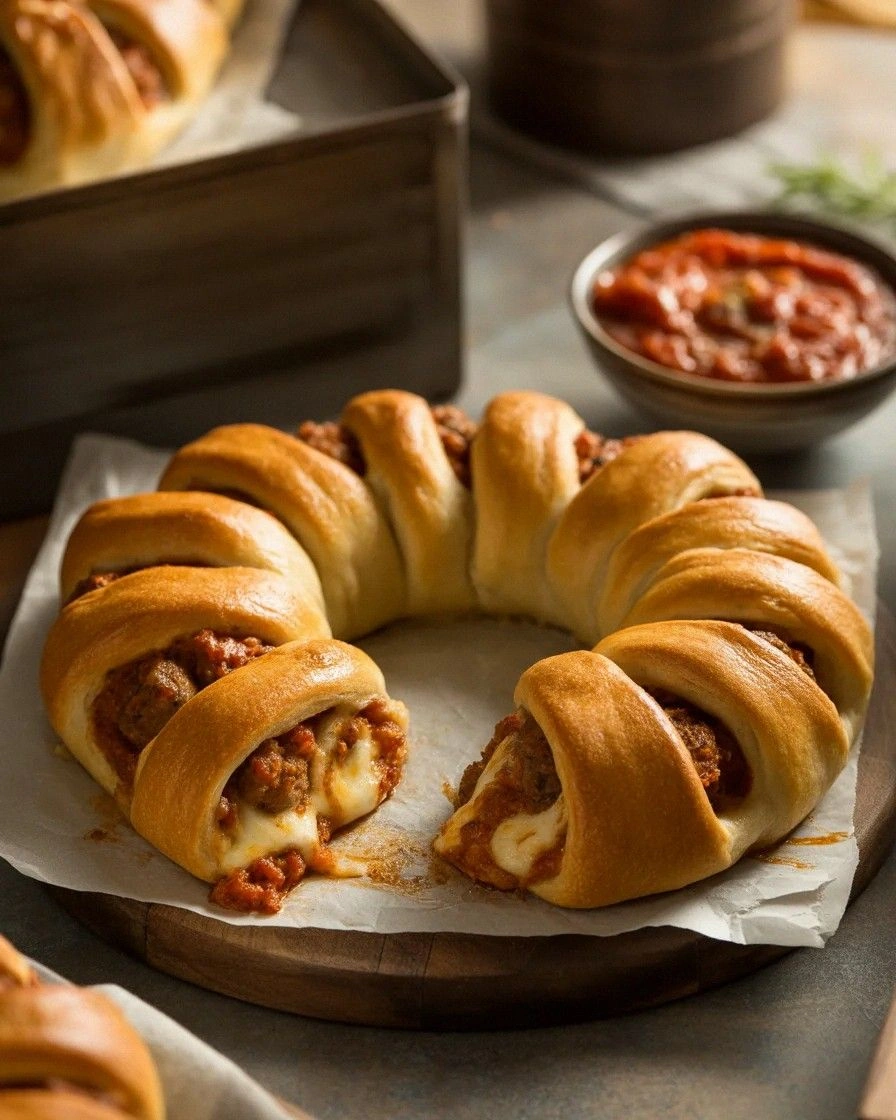
Let me walk you through every single step—by the end, you'll wonder how you ever made it any other way. From the dough’s preparation to the final golden finish, this recipe is a journey of flavor, texture, and pure joy. Each step is designed to elevate the humble crescent roll into a breakfast legend that will become a family favorite. So, roll up your sleeves, grab your skillet, and let’s dive into the world of Sausage and Cheese Crescent Ri.
What Makes This Version Stand Out
- Flavor: The combination of savory sausage, sharp cheese, and aromatic garlic creates a taste profile that’s both comforting and exciting.
- Texture: Crispy, flaky dough meets a molten, gooey center that offers a satisfying contrast in every bite.
- Simplicity: Only eight ingredients and a handful of basic kitchen tools are required, making it accessible for any home cook.
- Uniqueness: The crescent roll base is a creative twist on classic breakfast casseroles, giving this dish a distinctive edge.
- Crowd Reaction: The bold flavors and comforting texture make it a hit at family gatherings or casual brunches.
- Ingredient Quality: Using fresh sausage and high‑quality cheese elevates the overall taste and ensures a memorable experience.
- Cooking Method: The combination of pan‑searing and oven baking locks in moisture while achieving a golden finish.
- Make‑ahead Potential: Prepare the dough and sausage mixture in advance, then bake when ready for a quick, stress‑free meal.
Alright, let's break down exactly what goes into this masterpiece…
Inside the Ingredient List
The Flavor Base
The refrigerated crescent roll dough is the cornerstone of this recipe, offering a buttery, flaky texture that contrasts beautifully with the savory filling. Each can of dough contributes a soft, tender crumb that absorbs the juices from the sausage and cheese, creating a cohesive bite. If you’re craving a more robust flavor, consider using a dough that’s lightly seasoned with herbs; this will add an extra layer of depth without overpowering the main ingredients.
When choosing your dough, look for one that’s free from additives and preservatives. Fresh, high‑quality dough will result in a lighter, fluffier finish and will hold the filling better during baking. If you’re working with a brand that offers a “flavor‑enhanced” version, feel free to experiment, but be mindful that the added seasonings can shift the overall balance of the dish.
If you decide to skip the dough, you’ll lose that essential flaky layer that gives the dish its signature structure. The filling would still be delicious, but the texture would feel more like a casserole than a crescent roll. The dough’s role is not just to hold the ingredients together; it also provides a buttery base that makes each bite feel indulgent.
The Protein Power
The breakfast sausage is the star of the show, delivering a rich, savory flavor that pairs perfectly with the melty cheese and aromatic onions. A pound of sausage is ideal for a family of four, ensuring each portion is generous and satisfying. If you’re looking for a healthier alternative, consider using turkey or chicken sausage; the flavor profile will shift slightly, but the overall experience remains delightful.
Choosing a sausage with a moderate fat content is key to achieving the right consistency. A lean sausage might result in a dry filling, while a fattier option will keep the dish moist and flavorful. The sausage also releases its oils during cooking, which helps to bind the filling and create a luscious, cohesive texture.
Skipping the sausage entirely would transform this into a cheese‑only pastry, which could still be tasty but would miss the savory depth that makes this dish memorable. The sausage’s robust flavor is what turns a simple pastry into a hearty breakfast.
The Creamy Complement
The shredded cheese adds a creamy, melty layer that envelops the sausage and onions, creating a velvety interior. A 1.5‑cup quantity ensures that each bite is saturated with cheese without overwhelming the dough’s delicate flavor. Feel free to mix different cheeses—such as cheddar, mozzarella, or a blend—to customize the taste profile.
The cheese also acts as a binder, helping to hold the filling together during baking. A higher cheese content can lead to a gooier texture, while a lower amount will keep the dish lighter. Experimenting with cheese varieties can give you a range of mouthfeel and flavor nuances.
If you omit the cheese, the dish will still be flavorful, but it will lack the rich, gooey texture that many people crave in a breakfast pastry. The cheese is what makes the dish feel indulgent and satisfying.
The Aromatic Accents
Finely chopped onions and minced garlic provide a subtle sweetness and depth that elevate the overall flavor. Two tablespoons of onions add a gentle crunch, while a single clove of garlic delivers a punch of aroma that permeates the entire dish. These aromatics balance the richness of the sausage and cheese, preventing the filling from becoming too heavy.
When sautéing the onions and garlic, aim for a golden color rather than a caramelized one; this ensures they remain light and fragrant. If you’re sensitive to garlic, you can reduce the amount or use a milder variety, but the overall flavor will shift slightly. The onions and garlic also contribute to the dish’s visual appeal, adding a touch of color and texture.
Omitting the aromatics will result in a less complex flavor profile; the sausage and cheese will dominate, but the dish will lack that subtle, savory nuance that makes each bite memorable.
The Final Flourish
A pinch of black pepper adds a subtle heat that cuts through the richness of the sausage and cheese, providing a balanced finish. This small touch of spice is essential for elevating the dish’s flavor profile and ensuring it doesn’t feel flat. If you prefer a milder taste, simply reduce the pepper or omit it altogether.
To add a fresh, vibrant element, consider tossing in some peppers or spinach at the end of cooking. The peppers provide a sweet crunch, while spinach adds a slightly earthy note and a pop of color. These additions also boost the dish’s nutritional value, making it a more well‑rounded breakfast option.
A splash of hot sauce is the final touch that gives the dish a subtle kick. It’s optional, but the heat adds an exciting contrast to the creamy filling and buttery dough. If you’re not a fan of spicy foods, you can leave it out or use a mild sauce.
Everything's prepped? Good. Let's get into the real action…
The Method — Step by Step
-
Begin by thawing the refrigerated crescent roll dough according to the package instructions. While the dough is resting, heat a large skillet over medium heat and add the sausage, breaking it apart with a spatula. As the sausage cooks, let it brown evenly; this releases the fat that will coat the filling. When the sausage is fully cooked, remove it from the skillet and set it aside, leaving the drippings in the pan for extra flavor.
-
In the same skillet, add the finely chopped onions and minced garlic, sautéing until they turn translucent and fragrant. The onions should not brown; they need to retain a light, sweet quality that complements the sausage. Stir occasionally to prevent sticking, and once the aromatics are ready, let them cool slightly before adding the sausage back into the pan.
-
Stir in the shredded cheese, allowing it to melt into the mixture, creating a smooth, cohesive filling. Add a pinch of black pepper and a splash of hot sauce if desired, and mix until all components are evenly distributed. Taste the filling and adjust the seasoning with additional pepper or hot sauce if you prefer a more pronounced kick.
-
Unroll the crescent roll dough on a lightly floured surface, separating it into individual triangles. Place a generous spoonful of the sausage and cheese mixture at the wide end of each triangle. Fold the dough over the filling, sealing the edges with a light press, and then roll each piece into a crescent shape. The dough should be tight enough to hold the filling but not so tight that it becomes difficult to bake.
-
Preheat your oven to 400°F (200°C). Place the crescent rolls on a parchment‑lined baking sheet, spacing them slightly apart to allow for even cooking. Brush the tops with a little melted butter or oil to promote browning and give the dough a glossy finish. This step also helps to lock in moisture, ensuring a tender interior.
-
Bake the crescent rolls for 12 to 15 minutes, or until the dough is golden brown and the cheese is bubbling. Keep a close eye on the pastries; the edges will start pulling away from the parchment when they’re ready. The aroma of the melted cheese and browned sausage will fill the kitchen, making it impossible to resist the temptation to taste immediately.
-
While the rolls are baking, prepare a quick side of fresh spinach or sliced peppers to add a crisp, fresh element to the meal. Toss the greens with a splash of olive oil, a pinch of salt, and a squeeze of lemon juice. This bright, crunchy contrast will balance the richness of the filling and provide a burst of color on the plate.
-
Once the crescent rolls are done, remove them from the oven and let them cool for a minute or two. Serve them hot, accompanied by the fresh greens and a drizzle of hot sauce if you like. The warm, gooey center will contrast with the cool, crisp greens, creating a harmonious bite that’s both comforting and invigorating.
-
If you have leftovers, store them in an airtight container in the refrigerator for up to 2 days. Reheat in a 350°F (175°C) oven for 5 to 7 minutes, or until the cheese is melted again. For a quick snack, pop a single roll in the microwave for 20 to 30 seconds; just be careful not to overcook it, or the crust may become soggy.
That’s it — you did it. But hold on, I've got a few more tricks that'll take this to another level. The next section will reveal insider secrets that will ensure every bite is flawless.
Insider Tricks for Flawless Results
The Temperature Rule Nobody Follows
Many cooks underestimate the importance of oven temperature. Baking at 400°F (200°C) is crucial for achieving that perfect golden crust. If you bake at a lower temperature, the dough will become soggy, and the filling may not set properly. I’ve learned that a quick preheat to 400°F ensures even cooking and a crisp exterior.
Why Your Nose Knows Best
The aroma of cheese bubbling and sausage browning is a reliable indicator of readiness. When the smell becomes rich and savory, it’s time to pull the rolls out of the oven. If you’re unsure, give the tops a gentle press; they should feel firm and slightly springy. Trust your senses, and you’ll never overcook again.
The 5‑Minute Rest That Changes Everything
Letting the rolls rest for five minutes after baking allows the cheese to settle, preventing a gooey mess on the plate. It also gives the crust a chance to firm up slightly, making each bite more satisfying. Skipping this step often results in a soggy center that clings to the knife.
The Quick Sauté Hack
Sautéing the onions and garlic in the sausage drippings maximizes flavor absorption. The pan’s natural oils coat the aromatics, enhancing their sweetness and depth. A quick, high‑heat sauté for just a couple of minutes is enough to unlock the full potential of these ingredients.
The Fold‑in‑Place Technique
When rolling the dough, fold the filling in place before sealing the edges. This technique ensures that the cheese remains centered, creating a uniform distribution of flavor in every bite. It also helps the dough seal properly, preventing leaks during baking.
Creative Twists and Variations
This recipe is a playground. Here are some of my favorite ways to switch things up:
Mediterranean Spinach Delight
Swap the sausage for sautéed spinach and add feta cheese for a tangy Mediterranean twist. The spinach adds a fresh, earthy flavor, while the feta brings a salty brightness. This version is perfect for a lighter, vegetarian breakfast.
Spicy Jalapeño Explosion
Incorporate diced jalapeños into the sausage mixture for a fiery kick. A splash of chipotle sauce adds smoky heat, creating a bold, spicy flavor profile. This variation is ideal for those who love a good challenge.
Herb‑Infused Italian Style
Add a teaspoon of dried Italian herbs to the sausage mixture, and replace the cheese with mozzarella and provolone for a gooey, melty experience. The herbs lend a fragrant, aromatic quality that elevates the dish. This version is great for a brunch with friends.
Breakfast Breakfast Casserole
Layer the sausage, cheese, and dough in a baking dish, then bake until golden. This creates a larger, shareable portion that’s perfect for family gatherings. The result is a comforting, casserole‑style breakfast that’s both hearty and satisfying.
Cheesy Veggie Surprise
Add finely chopped bell peppers, zucchini, and mushrooms to the filling for a veggie‑packed version. The vegetables provide crunch and nutrition while keeping the dish light. This variation works well for a balanced, wholesome breakfast.
Sweet & Savory Breakfast Roll
Incorporate a tablespoon of honey or maple syrup into the filling for a subtle sweetness that pairs beautifully with the savory sausage. The sweet element balances the richness, creating a complex flavor profile that’s both comforting and exciting.
Storing and Bringing It Back to Life
Fridge Storage
Store leftover rolls in an airtight container in the refrigerator for up to 2 days. The dough will stay fresh, and the cheese will remain creamy. When you’re ready to reheat, place the rolls on a baking sheet and warm them in a 350°F oven for 5 minutes.
Freezer Friendly
Wrap each roll individually in parchment paper and place them in a freezer bag. They can be frozen for up to 1 month. To reheat, thaw at room temperature for 30 minutes, then bake in a 350°F oven until the cheese is melted.
Best Reheating Method
Add a tiny splash of water to the bottom of the baking pan before reheating. The water steams the rolls, keeping the dough moist while the cheese melts to perfection. This trick ensures that the reheated rolls taste almost as fresh as when they were first baked.