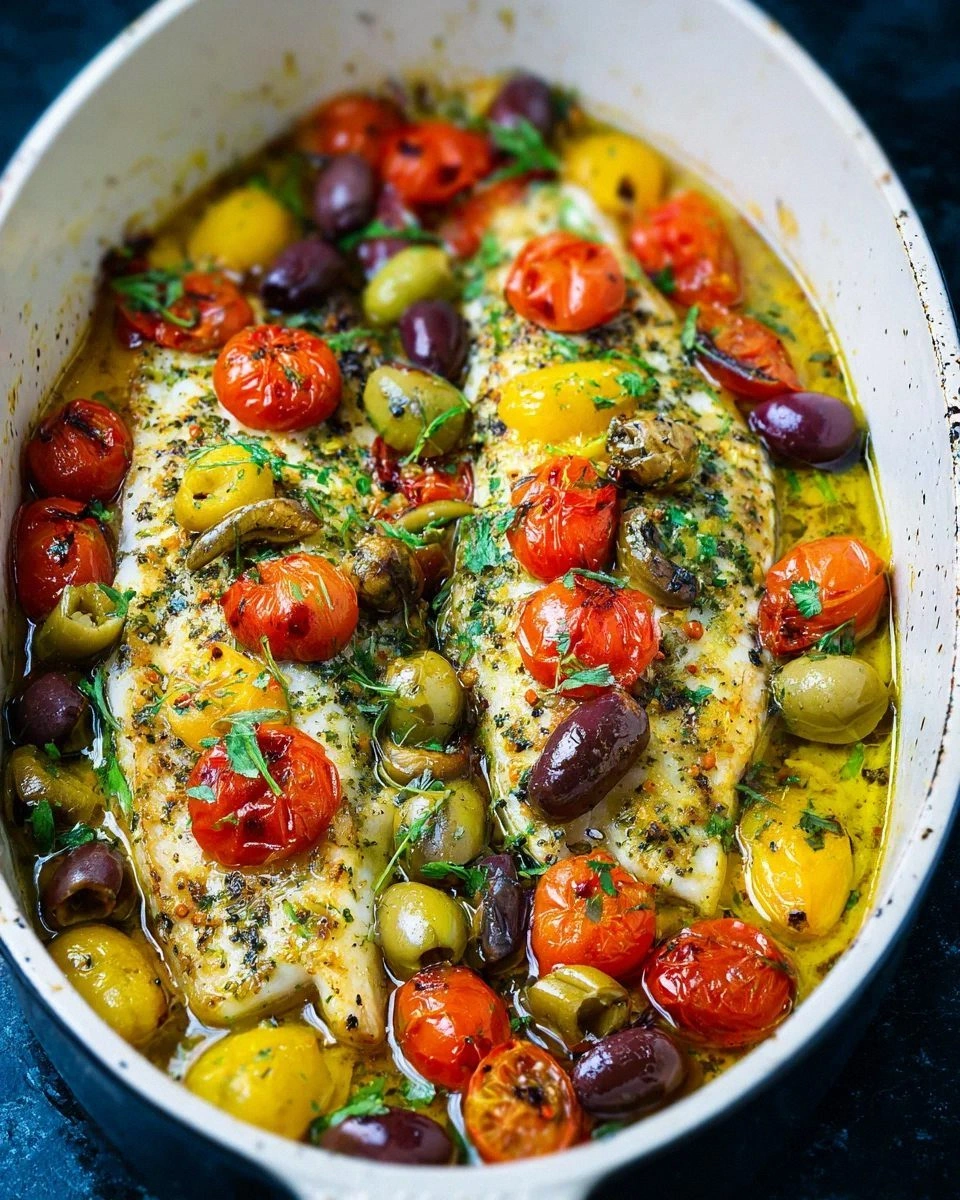
Picture this: it is a Thursday night, my fridge is half-empty except for a couple of glistening mackerel fillets, some cherry tomatoes rolling around like tiny red pinballs, and a sad zucchini that has seen better days. Take-out menus are whispering sweet promises, but I decide to gamble on a quick Mediterranean vibe because, honestly, the delivery driver has already memorized my dog’s name. Fifteen minutes later my kitchen smells like a taverna perched on a cliff above the Aegean, the fish is crackling under a blanket of herbs, and I am doing a victory dance while my neighbors sniff the hallway with suspicion. This, my friend, is the moment I swore to bottle and hand to every busy home cook who thinks restaurant-quality seafood requires sorcery or a Michelin star. Spoiler: you only need a hot oven, gutsy seasonings, and the willingness to ignore every bland, dry fish recipe that has ever betrayed you.
Most baked fish recipes treat mackerel like wallflower wallpaper—boring, shy, forgettable—but that ends tonight. We are cranking the flavor dial until the knob snaps off, bathing the fillets in olive oil loud with garlic, thyme, and lemon, then letting the oven do that slow, sizzling alchemy that turns the skin into delicate savory parchment while the flesh stays outrageously juicy. The cherry tomatoes blister and pop, releasing candy-sweet juice that mingles with the olive-oil lake at the bottom of the pan, the olives lend a briny punch, and the zucchini cubes caramelize into little green nuggets of happiness. If you have ever complained that healthy weeknight food tastes like cardboard and resignation, I dare you to taste this and not go back for seconds—thirds, if nobody is watching.
Still need convincing? Let me confess: I ate half the batch straight from the baking dish, standing at the counter, steam fogging my glasses, swearing I would “just test the seasoning.” My cat staged a protest. My partner got the tiniest portion, gave me the side-eye, then silently handed me an empty plate that clearly meant “make more.” This is hands down the best version you will ever make at home because it respects the fish instead of drowning it, celebrates pantry staples you already own, and finishes in under thirty minutes, which is faster than queuing for pizza. Picture yourself pulling this out of the oven, the whole kitchen smelling like summer vacation, and suddenly that random Tuesday feels like a balcony in Santorini.
Okay, ready for the game-changer? We are going to score the skin so every speck of lemon-herb glaze infiltrates the flesh, blast it at high heat first to shock it into crispness, then drop the temperature so the insides relax into buttery submission. Stay with me here—this is worth it. Let me walk you through every single step; by the end you will wonder how you ever made it any other way.
What Makes This Version Stand Out
- Crispy-Skin Guarantee: Scoring and a two-stage bake ensure crackling edges that shatter like thin ice while the center stays moist, so you skip the rubbery tragedy that plagues most oven fish recipes.
- One-Pan Brilliance: Everything—veg, aromatics, protein—cuddles together on a single sheet, meaning fewer dishes and built-in side dishes that soak up the garlicky juices.
- Pantry-Powered Flavor Bomb: Dried oregano, sweet chili sauce, and lemon zest create a glaze so addictive I have caught people licking their plates; no obscure ingredients required.
- Make-Ahead Marvel: Prep the marinade the night before, keep fillets in zip-bags, and the actual cooking feels faster than microwaving frozen nuggets.
- Crowd-Wooing Flexibility: Works equally well for candle-lit date night with crusty bread or a loud family feed where kids get fish without the “ew, fishy” whines.
- Nutrient-Dense Happiness: Omega-3s from mackerel, lycopene from roasted tomatoes, healthy fats from olives—basically delicious medicine dressed as vacation food.
Alright, let us break down exactly what goes into this masterpiece, because once you see how humble these ingredients are, you will feel that beautiful spark of culinary invincibility.
Inside the Ingredient List
The Flavor Base
Mackerel brings a rich, pronounced taste that stands up to bold herbs instead of vanishing the way timid white fish does. Look for fillets that shimmer like liquid mercury, smell like a cool ocean breeze, and still have the skin on—that skin is your ticket to crispy nirvana. If you can only find skinless, the recipe still rocks, but you will miss the textural high-five. In a pinch, trout or arctic char can sub, but expect a milder personality; think of it as the fish switching from espresso to Americano.
The Texture Crew
Cherry tomatoes are living flavor grenades: once roasted, their skins blister, splitting to release tangy-sweet nectar that self-sauces the fish. Choose a mix of reds and yellows for sunset vibes, but avoid super-plump ones that hold too much water and flood the tray. Zucchini adds soft, creamy pockets; dice it small so it cooks through in the same time as the fish. Skip it and you lose those gentle vegetal breaks between bites; nobody wants a plate that is all protein and no pillow.
The Unexpected Star
Sweet chili sauce might sound like the class clown here, yet it balances the lemon’s tang and the olives’ brine with a kiss of sugary heat that makes people ask, “What is that back-note?” If you are tempted to leave it out, I promise the dish will taste perfectly fine—but also perfectly forgettable. A teaspoon of honey plus a pinch of chili flakes can stand in, though you will lose that glossy glaze. Once you try the original, future-you will side-eye every other variation.
The Final Flourish
Olive oil is not a background extra; it is the stage upon which every flavor performs. Use the good stuff, something grassy and peppery that makes you cough slightly when you sip it straight. The quarter-cup measurement looks lavish, but it carries fat-soluble herb compounds into the fish and prevents sticking with Mediterranean generosity. Skimp here and you risk gluey fillets and scorched garlic that tastes like bitter regret.
Everything’s prepped? Good. Let us get into the real action.
The Method — Step by Step
- Heat your oven to 425°F (220°C). While it rages, line a rimmed baking sheet with parchment that overhangs the sides—think of it as edible insurance against sticky casualties. Pat the mackerel fillets dryer than a British sitcom; moisture is the enemy of crisp skin. Lay them skin-side up, then score the skin every inch with a sharp knife, cutting just deep enough to feel the steel tap against flesh. These slits become flavor tunnels for the herby oil.
- In a small bowl, whisk olive oil, lemon zest, lemon juice, sweet chili sauce, minced garlic, thyme, rosemary, oregano, parsley, salt, and pepper until it looks like a glossy emerald lagoon. The smell should smack your senses awake and make you consider bottling it as cologne. Spoon two tablespoons of this liquid gold over the fish, massaging it into the scores so every crevice is slick and fragrant. Reserve the rest; patience here pays off later.
- Scatter diced onion, zucchini, cherry tomatoes, and olives around the fillets like colorful confetti. Try to keep the veg in one layer; if they pile up, they steam instead of roasting, and you will lose those caramelized edges that taste like candy. Drizzle the remaining marinade over everything, then give the tray a gentle shake so the vegetables roll around like sunbathers applying lotion.
- Slide the tray into the middle rack and bake for 10 minutes. This initial blast renders the skin, starting the crisping process while the tomato skins blister and hiss. Do not wander off; set a timer and peer through the glass like a kid at a bakery case. You want the tomatoes just beginning to burst, their juices running together with the oil to create an impromptu sauce.
- Reduce heat to 375°F (190°C) and bake another 8-10 minutes, depending on fillet thickness. The goal is opaque flesh that flakes when nudged with a fork but still glistens with juice. If you have an instant-read thermometer, 130°F in the thickest part lands you in silky territory. Anything above 140°F and the fish becomes chalk, the ghost of dinners past.
- Remove the tray and let everything rest for five minutes; this pause allows proteins to relax so juices stay locked in instead of flooding the board the moment you cut in. During this time, the residual heat finishes gentle cooking, a sneaky trick restaurants use while you are busy Instagramming. Use the waiting window to slice extra lemon wedges or tear some crusty bread that will later mop up the pan elixir.
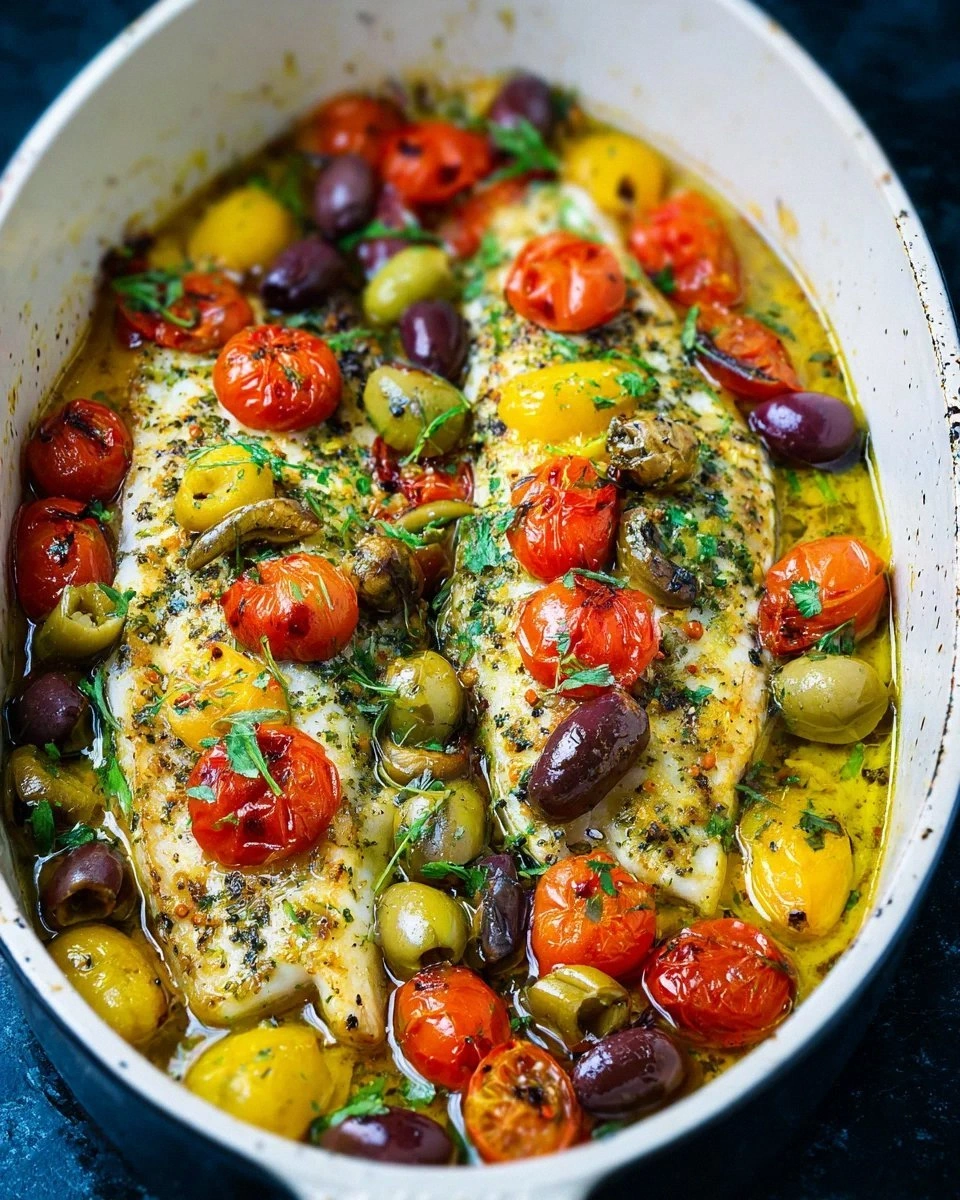
- Plate up by placing a fillet in shallow bowls, then spooning the roasted vegetables and their glossy juices over and around. Finish with a final sprinkle of fresh parsley because color pop matters, and serve with a chilled white wine or sparkling water with a citrus twist. The first bite should taste like you teleported to a seaside taverna—crispy skin, herby fat, sweet tomato, briny olive, all singing in harmony.
That is it—you did it. But hold on, I have got a few more tricks that will take this to another level.
Insider Tricks for Flawless Results
The Temperature Rule Nobody Follows
Let your fish sit on the counter for 15 minutes before baking. Cold fillets going into a hot oven seize up like startled turtles, resulting to rubbery edges. Room-temp fish relaxes, cooks evenly, and stays juicy. I learned this the hard way after serving hockey-puck mackerel to my future in-laws; now the family thinks I am a seafood whisperer.
Why Your Nose Knows Best
Trust aroma checkpoints: when the garlic smells toasted but not acrid and the tomatoes start smelling like tomato jam, your timing is spot-on. If the scent veers towards bitter, yank the tray immediately; burnt garlic ruins the entire vibe faster than a toddler with a marker.
The 5-Minute Rest That Changes Everything
Resist the urge to dive right in. Tent the tray with foil and let the carry-over heat finish the job. This pause is the difference between juicy and merely moist—words that matter when you want people fighting for the last bite.
Skin-Side Secrets
Want even crispier skin? Pop the tray under a preheated broiler for the final 90 seconds, but keep the oven door ajar and watch like a hawk. The skin bubbles into fish bacon; the cat will plot your demise.
Creative Twists and Variations
This recipe is a playground. Here are some of my favorite ways to switch things up:
Smoky Spanish Rendition
Swap thyme and rosemary for smoked paprika and a pinch of saffron. Add diced chorizo to the vegetables; the paprika-laced oil will stain the tomatoes a passionate red and perfume the kitchen like a flamenco performance.
Citrus-Fennel Fantasy
Replace zucchini with thin fennel wedges and add strips of orange zest. The licorice note of fennel plus sweet orange is sunshine on a sheet pan. Finish with a splash of ouzo if you are feeling festive.
Asian-Med Mash-Up
Use soy sauce instead of salt, add grated ginger, and finish with sesame seeds and scallions. The sweet chili sauce already whispers Asia; this version just turns the volume up to eleven. Serve over cold soba noodles for slurp-worthy contrast.
Provençal Olive Explosion
Double the olives, mix in capers, and throw in a handful of torn basil at the end. The briny cloud is addictive spooned over boiled baby potatoes. Your salt-tooth friends will name their firstborn after you.
Spicy Harissa Upgrade
Stir a teaspoon of harissa paste into the marinade; the chili, caraway, and coriander seeds add North African swagger. Keep a cooling yogurt sauce on standby for the brave souls who try to impress dinner guests.
Storing and Bringing It Back to Life
Fridge Storage
Cool leftovers completely, then transfer to an airtight glass container; the tomatoes are acidic and can etch plastic over time. Refrigerate up to three days, though the skin will soften. Add a quick splash of lemon juice when reheating to wake up flavors that nap in the cold.
Freezer Friendly
Freeze only the cooked vegetables and oil—mackerel gets grainy once thawed. Spoon the veg into small freezer bags, press out air, and store up to one month. Thaw overnight in the fridge, then warm gently while you grill a fresh fillet to serve alongside.
Best Reheating Method
Spread leftovers in a skillet, add a tiny splash of water, cover, and warm over medium-low heat for three minutes. The steam revives moisture without turning everything to mush. Microwaves murder texture; avoid them unless you enjoy rubber.