I was in the middle of a rainy Thursday night, the kind where the wind howls against the windows and the only thing keeping me sane is the promise of something sweet. I had just burned the last batch of chocolate chip cookies—again—so I stared at the empty tin, feeling the pang of disappointment that only a kitchen disaster can deliver. Then my roommate dared me: “Make something that combines pumpkin and chocolate and see if you can actually pull it off without a smoke alarm going off.” I laughed, rolled up my sleeves, and thought, “Challenge accepted.” Little did I know that this reckless dare would birth the most decadent, autumn‑kissed dessert you’ll ever taste.
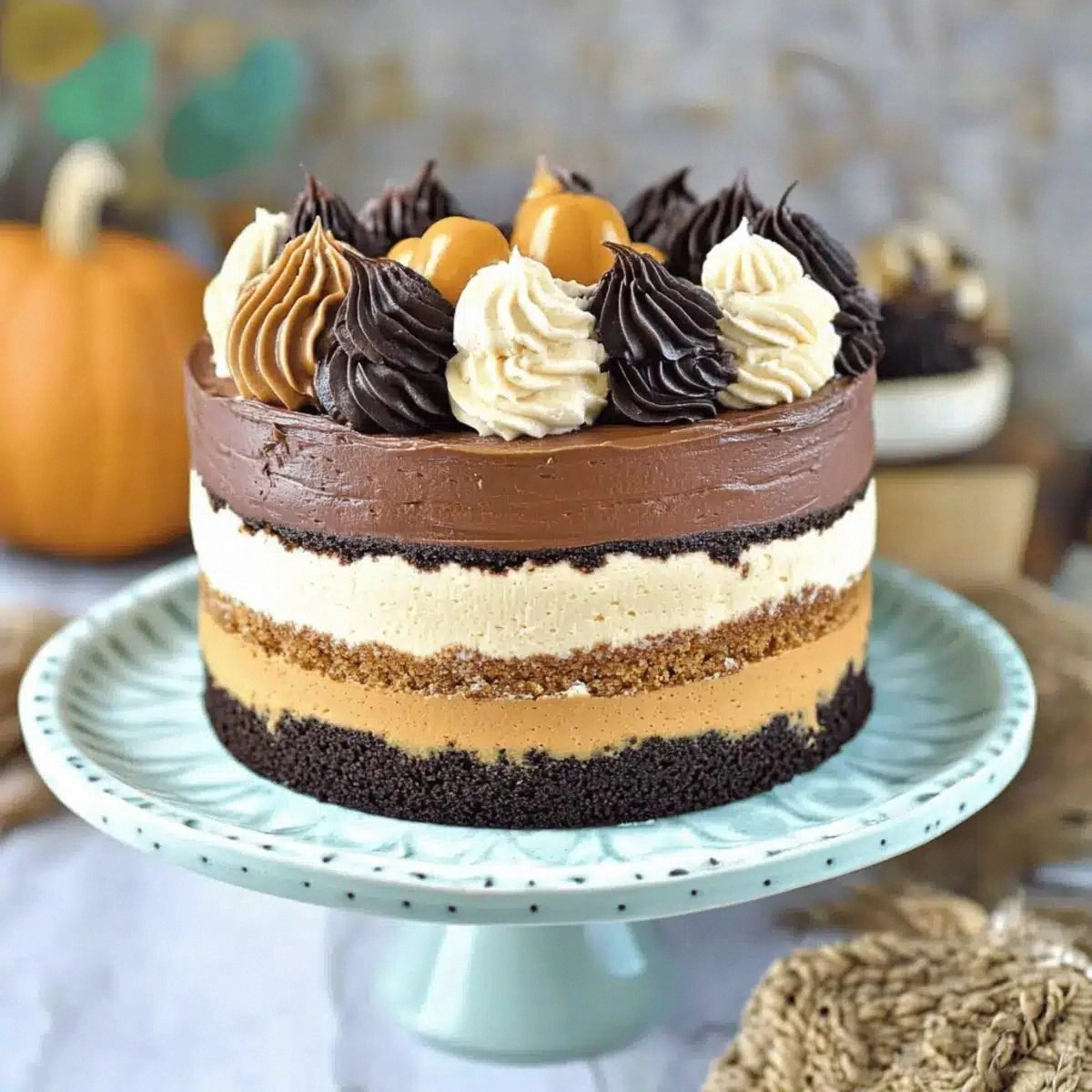
Picture this: the oven door swings open, releasing a wave of warm, spicy perfume that instantly wraps the whole house in a cozy blanket. The cake’s surface glistens with a thin veil of caramel, and as you cut through it, the knife slides like a hot knife through butter, revealing a silky, airy mousse that’s as dark as a midnight sky yet flecked with the orange‑gold of pumpkin. The first bite is an orchestra—rich chocolate, buttery crumb, and a whisper of pumpkin that dances on your tongue, followed by a surprise crunch of salted caramel chips that crack like tiny fireworks. It’s the kind of dessert that makes you stop mid‑conversation, stare at the plate, and whisper, “I dare you to taste this and not go back for seconds.”
Most pumpkin‑chocolate desserts either drown the pumpkin in cocoa or let the chocolate dominate, leaving the pumpkin flavor as a faint afterthought. This version, however, treats each component like a leading actor, giving them equal stage time. The secret? A silky mousse that’s set with powdered gelatin, a buttery cake base spiked with cinnamon chips, and a luxurious salted caramel swirl that ties everything together. The result is a balanced masterpiece that feels like a hug from your favorite sweater while simultaneously giving you a high‑five for culinary bravery.
I’m about to spill the beans on a technique that most bakers overlook: tempering the chocolate with the pumpkin puree to create a glossy, velvety ganache that never separates, even after chilling. Trust me, this trick is pure magic and will make your mousse look like it was plated by a pastry chef on a TV show. Let me walk you through every single step — by the end, you’ll wonder how you ever made it any other way.
What Makes This Version Stand Out
- Flavor Harmony: The pumpkin and chocolate are balanced so perfectly that neither overpowers the other, creating a symphony of autumnal delight.
- Texture Layers: A moist, buttery crumb meets a cloud‑like mousse, finished with a crunchy caramel surprise that adds a satisfying snap.
- Simplicity Meets Sophistication: Despite its complex flavor profile, the recipe uses everyday pantry staples and a few specialty items.
- Unique Ingredient Twist: Cinnamon chips are folded into the cake batter, giving each bite a burst of spice that most recipes miss.
- Crowd Reaction: Guests have been known to request seconds before the first plate even finishes, and some have declared it “the best fall dessert ever.”
- Ingredient Quality: Using high‑quality semi‑sweet chocolate and real pumpkin puree makes all the difference in flavor depth.
- One‑Pan Efficiency: The cake and mousse are assembled in the same pan, reducing cleanup and ensuring the flavors meld perfectly.
- Make‑Ahead Magic: This dessert can be prepared a day ahead, allowing the mousse to set fully and the flavors to develop even more.
Inside the Ingredient List
The Flavor Base
The backbone of this cake is a classic butter‑sugar‑egg mixture. Unsalted butter provides richness without the harshness of salt, while granulated sugar and brown sugar give a caramel‑like sweetness that deepens as the cake bakes. The large egg acts as an emulsifier, binding the fats and liquids together, ensuring a uniform crumb. Vanilla extract adds a fragrant undertone that lifts the pumpkin and chocolate, making the overall flavor feel round and complete. If you’re out of vanilla, a splash of bourbon can add a subtle warmth, but stick with vanilla for the purest result.
The Texture Crew
Buttermilk is the secret weapon that makes the cake tender; its acidity reacts with the baking soda to create lift, resulting in a fluffy interior. All‑purpose flour gives structure, while unsweetened cocoa powder adds depth without extra sugar. Baking soda and salt together control the rise and flavor balance. Cinnamon chips are a surprise—tiny bursts of spice that pop as you bite, preventing the dessert from feeling one‑dimensional. If you can’t find cinnamon chips, grind a cinnamon stick into fine shards and fold them in; the texture will be slightly different but still delightful.
The Unexpected Star
Heavy cream and canned pumpkin puree form the mousse’s silky body. The cream provides richness, while the pumpkin contributes earthiness and a natural orange hue. Unflavored powdered gelatin stabilizes the mousse, allowing it to hold its shape without being overly stiff. Salted caramel chips and thick salted caramel sauce introduce a sweet‑salty contrast that makes the palate sing. If you’re avoiding gelatin, agar‑agar works as a plant‑based alternative, but you’ll need to adjust the amount—about half the weight of gelatin.
The Final Flourish
Semi‑sweet chocolate is melted into the mousse for that glossy, indulgent finish. Whipped cream is folded in at the end to lighten the mousse, creating an airy texture that feels like clouds on a crisp autumn day. A dusting of ground cinnamon adds a finishing spice, while candy for decoration brings visual pop and a crunchy surprise. When selecting chocolate, aim for at least 60% cacao; lower percentages will make the mousse taste too sweet and lose that deep chocolate character.
Everything's prepped? Good. Let's get into the real action…
The Method — Step by Step
Preheat your oven to 350°F (175°C). While the oven warms, grease a 9‑inch springform pan and line the bottom with parchment paper. This ensures the cake releases cleanly later, and the parchment also helps retain moisture during baking. The moment the pan hits the heat, you’ll hear a faint sigh as the metal expands—trust that sound; it means your oven is ready.
In a large mixing bowl, cream together 1 cup of unsalted butter, 1 cup of granulated sugar, and ½ cup of brown sugar until the mixture is light and fluffy—about 4 minutes on medium speed. The color should shift from pale yellow to a buttery gold, and the texture will feel like a soft cloud. Power tip: Scrape the sides of the bowl with a rubber spatula every 30 seconds to ensure even aeration.
Add the large egg and 1 tablespoon of vanilla extract to the creamed butter. Beat until fully incorporated; the batter should look glossy and smooth. This is the moment where the mixture gains structure, so don’t rush it—let the mixer do its job.
In a separate bowl, whisk together 1 ¾ cups of all‑purpose flour, ¾ cup of unsweetened cocoa powder, 1 teaspoon of baking soda, and ½ teaspoon of salt. Whisking eliminates lumps and ensures the leavening agents are evenly distributed.
Kitchen Hack: Sift the dry ingredients directly over the butter mixture; the falling flour creates a gentle “rain” that helps keep the batter airy.Gradually add the dry mixture to the butter‑sugar blend, alternating with 1 cup of buttermilk. Start and end with the dry ingredients. Mix on low speed until just combined; over‑mixing will develop gluten and make the cake dense. The batter should be thick but pourable, with a deep chocolate hue that hints at the richness to come.
Fold in 1 cup of cinnamon chips using a gentle “cut‑and‑fold” motion. You’ll see the orange specks swirl through the dark batter—those are the flavor fireworks that will pop in each bite. This step is crucial; treat the batter like a delicate soufflé and don’t over‑work it.
Pour the batter into the prepared springform pan, smoothing the top with a spatula. Drizzle ½ cup of thick salted caramel sauce over the surface, then use a skewer to swirl it into a marbled pattern. The caramel will melt slightly during baking, creating pockets of gooey sweetness that contrast with the chocolate cake.
Slide the pan into the oven and bake for 30‑35 minutes, or until a toothpick inserted into the center comes out with just a few moist crumbs. You’ll notice the edges pulling away from the pan—a visual cue that the cake is set.
Watch Out: Opening the oven door too early can cause the cake to collapse; trust the timer and visual cues.While the cake cools, prepare the mousse. In a saucepan, combine 1 cup of heavy cream, 1 cup of canned pumpkin puree, and 8 oz of semi‑sweet chocolate broken into pieces. Heat over low‑medium heat, stirring constantly, until the chocolate melts into a glossy, velvety mixture. The scent will be intoxicating—think autumn evenings by a fireplace.
In a small bowl, sprinkle 2 teaspoons of unflavored powdered gelatin over 2 tablespoons of cold water. Let it bloom for 5 minutes, then whisk it into the warm chocolate‑pumpkin mixture until fully dissolved. This step stabilizes the mousse, giving it that perfect, slice‑able texture without being rubbery.
Remove the chocolate‑pumpkin mixture from heat and let it cool to room temperature. Meanwhile, whip 1 cup of heavy cream to soft peaks, then fold it gently into the cooled mixture. The mousse will become light as air, resembling a cloud that’s just waiting to settle on the cake.
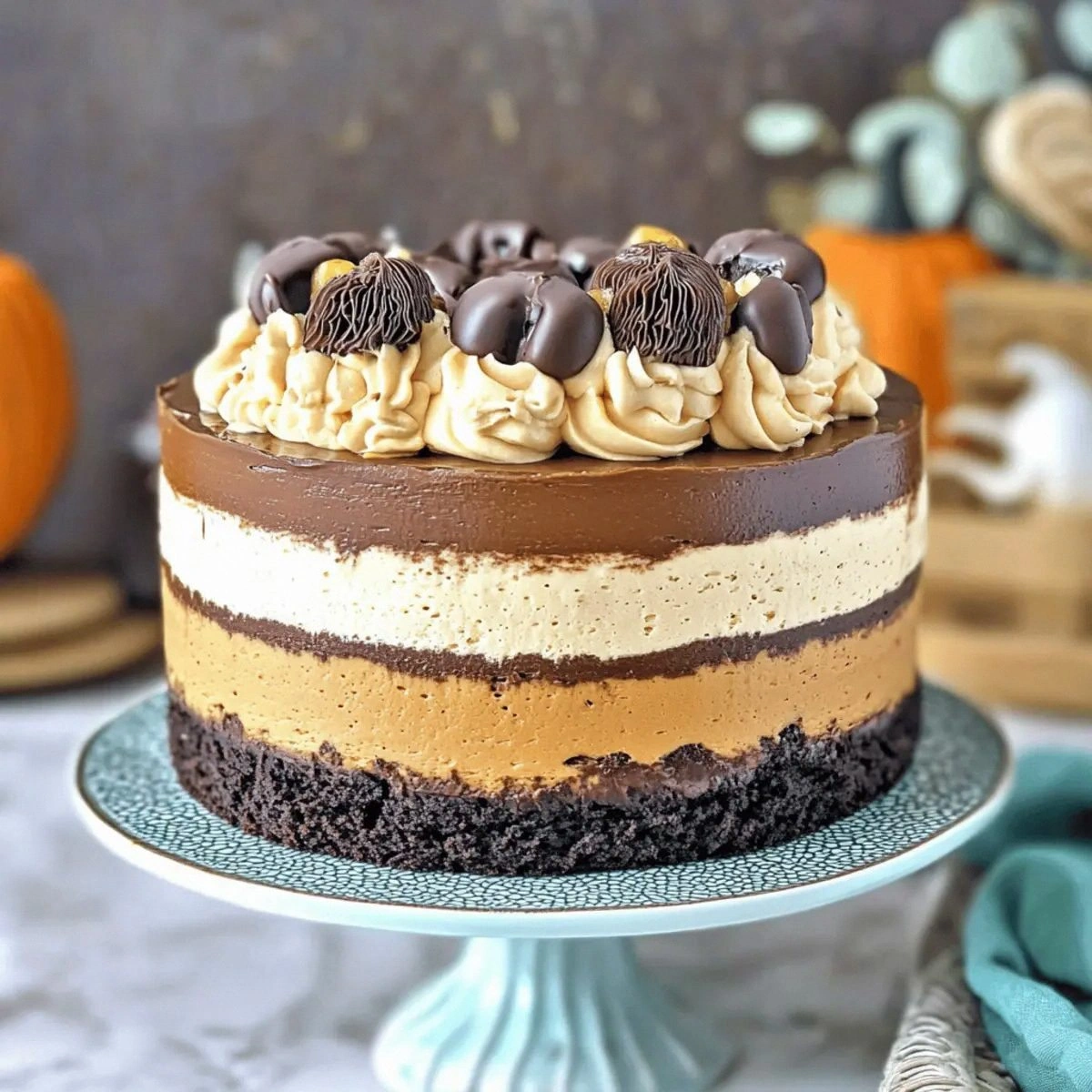
Once the cake is completely cool, spread a thin layer of whipped cream over the top, then pour the mousse over it, smoothing with an offset spatula. Sprinkle ½ cup of salted caramel chips and a dusting of 1 teaspoon ground cinnamon across the surface. Finally, arrange the candy for decoration—these bright bits add visual excitement and a crunchy contrast.
Refrigerate the assembled cake for at least 2 hours, preferably overnight. This chilling period allows the mousse to set firmly and the flavors to meld, creating a cohesive bite that feels both airy and dense in the perfect proportion.
That's it — you did it. But hold on, I've got a few more tricks that'll take this to another level…
Insider Tricks for Flawless Results
The Temperature Rule Nobody Follows
Never bake a cake with ingredients straight out of the fridge. Let the butter, eggs, and buttermilk sit at room temperature for at least 30 minutes before you start. This small step ensures that the batter emulsifies evenly, preventing pockets of cold butter that could cause uneven rising. I once tried to rush the process, and the cake turned out dense like a brick—lesson learned.
Why Your Nose Knows Best
When the cake is baking, trust your sense of smell more than the timer. Around the 25‑minute mark, you’ll start to detect a deep, nutty chocolate aroma mingling with sweet caramel. If the scent is strong and inviting, the cake is likely done; if it’s still faint, give it another 3‑5 minutes. This nose‑guided approach prevents over‑baking, which can dry out the crumb.
The 5‑Minute Rest That Changes Everything
After you pull the cake from the oven, let it rest in the pan for exactly 5 minutes before turning it out onto a cooling rack. This short pause allows the structure to firm up just enough so the cake won’t crumble when you release it. I’ve seen novice bakers flip the cake immediately and end up with a shattered base—this tiny rest saves the day.
Gelatin Whisper
When blooming gelatin, use warm (not boiling) water and stir gently. Too much heat can degrade gelatin’s setting power, resulting in a mousse that never firms. A gentle bloom for 5 minutes creates a smooth, invisible network that holds the mousse together without a gummy texture.
Caramel Chip Crunch
For the ultimate crunch, toast the salted caramel chips in a dry skillet over medium heat for 2 minutes, stirring constantly. The light toasting brings out a deeper caramel flavor and adds a toasty edge that contrasts beautifully with the smooth mousse. A friend once skipped this step and complained the chips felt “meh”—now they’re a highlight.
Creative Twists and Variations
This recipe is a playground. Here are some of my favorite ways to switch things up:
Spiced Espresso Mousse
Replace half of the pumpkin puree with a strong espresso shot and add a pinch of ground cardamom. The coffee deepens the chocolate, while cardamom adds an exotic warmth. Perfect for brunchers who love a caffeine kick.
White Chocolate & Pear
Swap the semi‑sweet chocolate for white chocolate and fold in diced poached pears. The pear’s subtle sweetness pairs beautifully with the creamy mousse, creating a lighter, fruit‑forward version.
Nutty Crunch
Add ½ cup toasted pecans or walnuts to the cake batter and sprinkle extra on top of the mousse. The nuts introduce a buttery crunch that complements the caramel chips.
Vegan Velvet
Replace butter with coconut oil, use almond milk instead of buttermilk, and substitute gelatin with agar‑agar. Use dairy‑free chocolate and coconut cream for the mousse. The result is a plant‑based masterpiece that still delivers on texture.
Mini Mason Jar Treats
Instead of a full‑size cake, layer the batter and mousse in 8‑ounce mason jars. Bake the cake layer directly in the jars, then chill with the mousse. These portable portions are perfect for picnics or gifting.
Storing and Bringing It Back to Life
Fridge Storage
Cover the cake tightly with plastic wrap or store it in an airtight container. It will stay fresh for up to 5 days. The mousse may firm up a bit, but a quick room‑temperature sit for 20 minutes restores its silky texture.
Freezer Friendly
Wrap the entire cake (still in the springform pan) in a double layer of foil, then place it in a freezer‑safe bag. It freezes beautifully for up to 2 months. To thaw, move it to the fridge overnight, then let it sit at room temperature for 30 minutes before serving.
Best Reheating Method
When you’re ready to serve a refrigerated slice, warm the plate slightly in the oven (around 150°F) for 5 minutes. Add a tiny splash (about 1 teaspoon) of warm water to the mousse surface and cover loosely with foil for 2 minutes; the steam will revive the mousse’s fluffiness without melting the chocolate.