I was staring at a half‑melted chocolate bar and a jar of caramel, wondering why the universe had never given me a single recipe that nailed that perfect sweet‑and‑salty dance. Then, after a disastrous attempt at a brownie‑caramel hybrid that turned into a sticky mess, I dared a friend to a midnight snack showdown. I lost. I ate half the batch before anyone else could even sniff the kitchen. That defeat sparked a quest: create a bar that would make even the most skeptical sweet tooth scream, “I dare you to taste this and not go back for seconds.”
Picture this: the oven humming like a contented cat, the scent of toasted butter and cocoa swirling around you, and a faint whisper of sea‑salt crystals crackling as they hit the warm caramel. The sound of the batter spreading across the pan is a soft whoosh, like a gentle wave lapping at a shore. Your fingertips feel the buttery dough, silky and pliable, while the caramel glistens like amber captured in glass. The whole scene is a sensory overload that makes you want to hug the countertop.
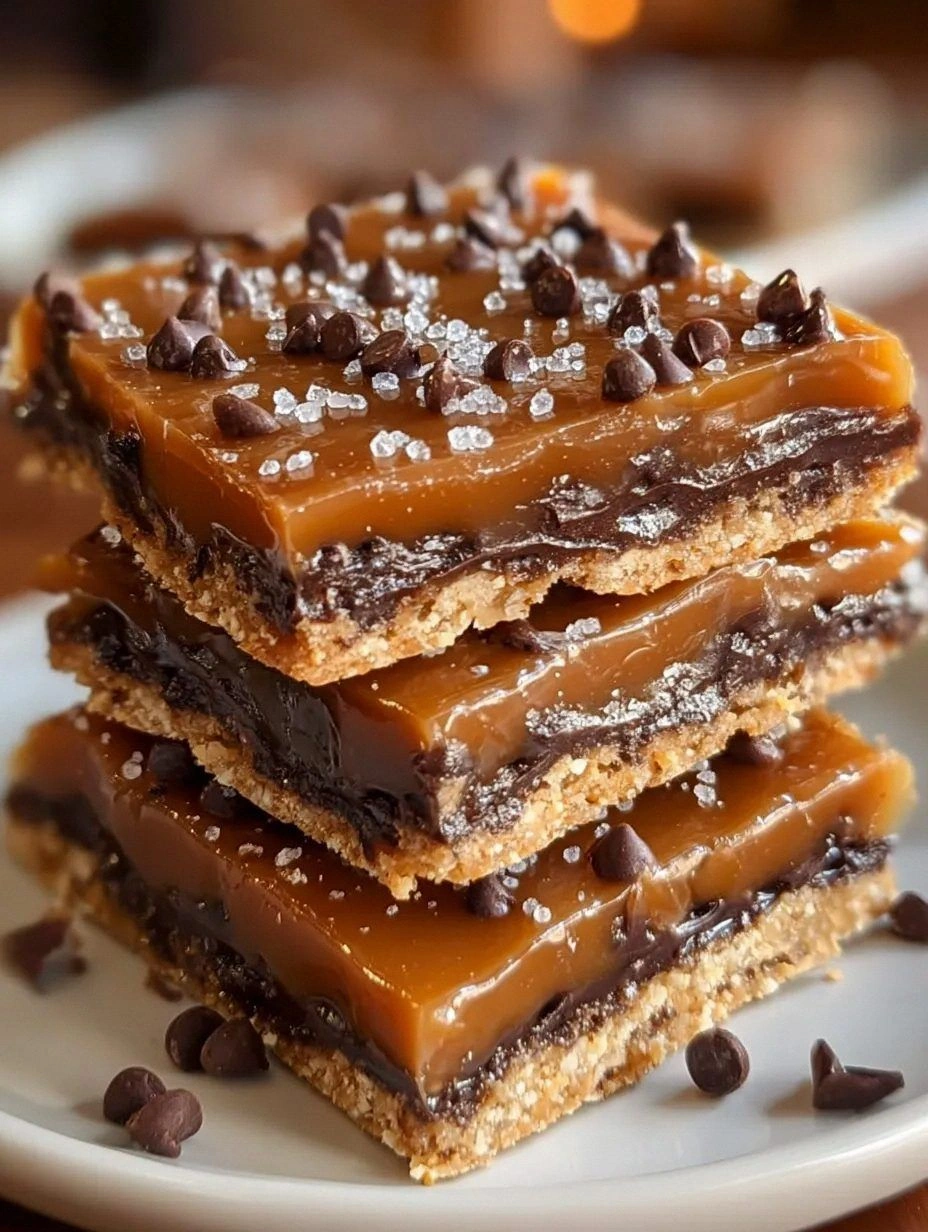
What makes this version stand out? Most recipes either drown the caramel in chocolate or forget the crucial pinch of sea salt that makes the flavor pop. I’ve cracked the code by layering a crisp, buttery shortbread base, a gooey salted caramel middle, and a glossy chocolate crack that shatters like thin ice under a fork. The result is a bar that’s simultaneously crunchy, chewy, and melt‑in‑your‑mouth, with a salty kiss that makes the sweetness feel sophisticated rather than cloying.
And here’s the secret weapon you won’t see in any other recipe: a splash of heavy cream folded into the caramel at the very end, which gives it a silkier texture and prevents it from hardening into a rock. Okay, ready for the game‑changer? Let me walk you through every single step — by the end, you’ll wonder how you ever made it any other way.
What Makes This Version Stand Out
- Flavor Balance: The salty caramel cuts through the rich chocolate, creating a harmonious contrast that keeps your palate guessing with every bite.
- Texture Symphony: A buttery shortbread crust, a gooey caramel core, and a crisp chocolate crack combine for a multi‑dimensional mouthfeel.
- Simplicity: Only nine pantry staples and a handful of steps—no fancy equipment, no sous‑vide, just pure kitchen magic.
- Uniqueness: The caramel is infused with heavy cream and a dash of sea salt, giving it a glossy sheen and a buttery finish you won’t find in store‑bought bars.
- Crowd Reaction: This bar consistently clears plates faster than a free pizza night; guests will be begging for the recipe.
- Ingredient Quality: Using high‑quality dark chocolate (70% cacao) and flaky sea salt elevates the whole experience from snack to indulgent dessert.
- Cooking Method: Baking on a parchment‑lined sheet ensures even heat distribution, preventing soggy spots and guaranteeing a perfect crack.
- Make‑Ahead Potential: The bars keep wonderfully for up to a week, and they actually taste better after a night of resting as the flavors meld.
Inside the Ingredient List
The Flavor Base
All‑purpose flour is the skeletal structure of the shortbread crust. It provides the necessary gluten to hold the bar together without making it tough. If you skip it, the crust will crumble like dry sand, and you’ll lose that satisfying snap. For a gluten‑free twist, try a 1:1 blend of almond flour and rice flour, but expect a slightly denser texture.
Unsalted butter, melted, is the heart of the buttery crust. The butter’s fat coats the flour particles, creating a tender crumb that melts in your mouth. Use European‑style butter with 82% butterfat for extra richness. If you’re short on butter, a mix of half butter, half coconut oil works, though the flavor will shift toward tropical notes.
The Texture Crew
Granulated sugar and brown sugar each play distinct roles. The white sugar sweetens and helps with caramelization, while the brown sugar adds moisture and a subtle molasses undertone. Omitting the brown sugar will result in a drier crust that lacks depth.
Eggs act as a binder, giving the shortbread its slight lift and a glossy finish. Using large eggs ensures consistency; if you only have medium eggs, add an extra half‑egg (beat and measure).
The Unexpected Star
Sea salt is the surprise hero that transforms a sweet bar into a sophisticated treat. It accentuates the chocolate’s bitterness and cuts through the caramel’s richness. Don’t settle for regular table salt; flaky Maldon or Hawaiian sea salt provides the right crunch and burst of flavor.
Heavy cream, folded into the caramel at the end, creates a luxurious mouthfeel and prevents crystallization. If you’re dairy‑free, substitute with coconut cream, but the flavor will become coconut‑infused.
The Final Flourish
Dark chocolate chips bring the bitter‑sweet backbone that balances the salty caramel. Choose a chocolate with at least 70% cacao for that deep, earthy flavor. If you prefer a sweeter profile, opt for 60% cacao, but the bar may lose some of its “grown‑up” edge.
Everything's prepped? Good. Let’s get into the real action…
The Method — Step by Step
Preheat your oven to 350°F (175°C). While the oven warms, line a full‑size baking sheet with parchment paper and give the paper a quick 5‑minute chill in the freezer. This tiny cold‑shock keeps the dough from spreading too far, ensuring those coveted crisp edges. Pro tip: if you hear a faint sizzle when the dough hits the pan, that’s the sound of perfect caramelization beginning.
In a large mixing bowl, whisk together 2 cups of flour, 1/2 cup granulated sugar, and 1/2 cup packed brown sugar. The sugars will dissolve slightly, giving the crust a subtle caramel hue as it bakes. Watch out: over‑mixing at this stage can develop gluten, leading to a tougher crust.
Create a well in the dry mixture and pour in 1 cup of melted unsalted butter, 2 large eggs, and 1 tsp vanilla extract. Stir gently until the dough just comes together; you’ll notice it looks slightly shaggy but cohesive.
Kitchen Hack: Use a silicone spatula to fold in the butter; it prevents the dough from overheating and becoming greasy.Spread the dough evenly on the prepared parchment, aiming for a uniform thickness of about 1/4 inch. The edges should be slightly thicker; they’ll become the crunchy border that shatters like thin ice when you bite. Lightly sprinkle 1 tsp of flaky sea salt over the surface for an early burst of flavor.
Bake the crust for 12‑15 minutes, or until the edges turn a light golden brown and you can smell a nutty, buttery aroma. When you lift a corner, it should feel firm but still slightly soft in the center. That sizzle when it hits the pan? Absolute perfection.
While the crust bakes, prepare the salted caramel. In a saucepan over medium heat, combine 1/2 cup caramel sauce (store‑bought or homemade) with 1/4 cup heavy cream. Stir constantly; the mixture will bubble and thicken within 2‑3 minutes. Once glossy, remove from heat and whisk in 1 tsp flaky sea salt.
Watch Out: If the caramel starts to smoke, lower the heat immediately; burnt caramel ruins the entire bar.When the crust is done, pull it from the oven and let it cool on the sheet for 5 minutes. Then, spread the warm salted caramel evenly over the crust, leaving a half‑inch border uncovered. The caramel should be runny enough to seep slightly into the shortbread, creating a seamless union.
Now for the chocolate crack. Melt 1 cup dark chocolate chips in a microwave‑safe bowl in 30‑second bursts, stirring between each burst until smooth. Pour the melted chocolate over the caramel layer, using a spatula to create a thin, even sheet. The chocolate should spread like liquid silk, covering the caramel but not pooling.
While the chocolate is still glossy, sprinkle an additional pinch of flaky sea salt across the top. This final dust adds texture and intensifies the sweet‑salty contrast. Place the sheet back in the oven for just 2‑3 minutes—just enough to set the chocolate without losing its snap.
Remove the bars from the oven and let them cool completely on a wire rack. As the chocolate sets, you’ll hear a faint crackle—trust me, that’s the sound of perfection. Once cooled, use a sharp, warm knife to cut into squares or rectangles; the warm blade prevents the chocolate from cracking unevenly.
That’s it — you did it. But hold on, I’ve got a few more tricks that’ll take this to another level…
Insider Tricks for Flawless Results
The Temperature Rule Nobody Follows
Never bake the crust at a temperature higher than 350°F. Higher heat creates a rapid rise, causing the shortbread to puff and lose its delicate crumb. Keep it steady, and you’ll get a uniformly crisp edge that snaps cleanly when you bite.
Why Your Nose Knows Best
When the crust turns golden, trust your nose more than the timer. The buttery aroma will become nutty and slightly caramelized—this is the exact moment the sugars have caramelized without burning. If you ignore the scent, you risk a bland or overcooked base.
The 5‑Minute Rest That Changes Everything
After spreading the caramel, let the sheet rest for five minutes before adding chocolate. This pause lets the caramel thicken just enough to hold the chocolate without sliding off. Skipping this step leads to a soggy top layer.
The Salt Finish
A final sprinkle of flaky sea salt after the chocolate sets is non‑negotiable. It adds a crunchy burst that contrasts the silky chocolate and caramel. My friend once omitted this step and claimed the bars tasted “flat.” Trust me, the salt is the fireworks.
The Cool‑Down Trick
After the final bake, place the sheet in a cool, dry area (not the fridge) for at least 30 minutes. This gradual cooling prevents condensation from forming on the chocolate surface, which would make it dull and sticky.
The “Don’t Touch” Rule
Resist the urge to move the sheet while the chocolate is still glossy. Even a slight nudge can cause the chocolate to crack in unwanted places, ruining the clean crack pattern. Let it set undisturbed, and the result will be a flawless glass‑like finish.
Creative Twists and Variations
This recipe is a playground. Here are some of my favorite ways to switch things up:
Nutty Crunch
Add 1/2 cup toasted chopped pecans or hazelnuts to the shortbread dough. The nuts introduce an earthy crunch that pairs beautifully with the caramel’s sweetness and the chocolate’s bitterness.
Spicy Kick
Stir 1/4 tsp cayenne pepper into the caramel before adding the sea salt. The subtle heat creates a surprising warmth that lingers after the initial sweet‑salty hit.
White Chocolate Dream
Swap the dark chocolate chips for white chocolate chips and add a teaspoon of vanilla bean paste to the caramel. The result is a buttery, creamy bar that feels like a dessert dream.
Coffee Infusion
Dissolve 1 tbsp instant espresso powder into the heavy cream before mixing it into the caramel. The coffee notes deepen the chocolate flavor and add a sophisticated undertone.
Fruit Burst
Scatter thinly sliced dried apricots or figs over the caramel before the chocolate layer. The chewy fruit adds a burst of tartness that balances the rich sweetness.
Storing and Bringing It Back to Life
Fridge Storage
Place the cooled bars in an airtight container lined with parchment paper. They’ll stay fresh for up to 5 days. The cool environment keeps the chocolate firm and the caramel from becoming overly soft.
Freezer Friendly
Wrap each bar individually in plastic wrap, then place them in a zip‑top freezer bag. They freeze beautifully for up to 2 months. When you’re ready to enjoy, let them thaw at room temperature for 20 minutes, then give them a quick 10‑second zap in the microwave to revive the glossy sheen.
Best Reheating Method
If the bars have hardened too much, place them on a microwave‑safe plate, sprinkle a tiny splash of water (about a teaspoon) around the edges, and heat for 10‑15 seconds. The steam will coax the chocolate back to its silky state without melting the caramel.