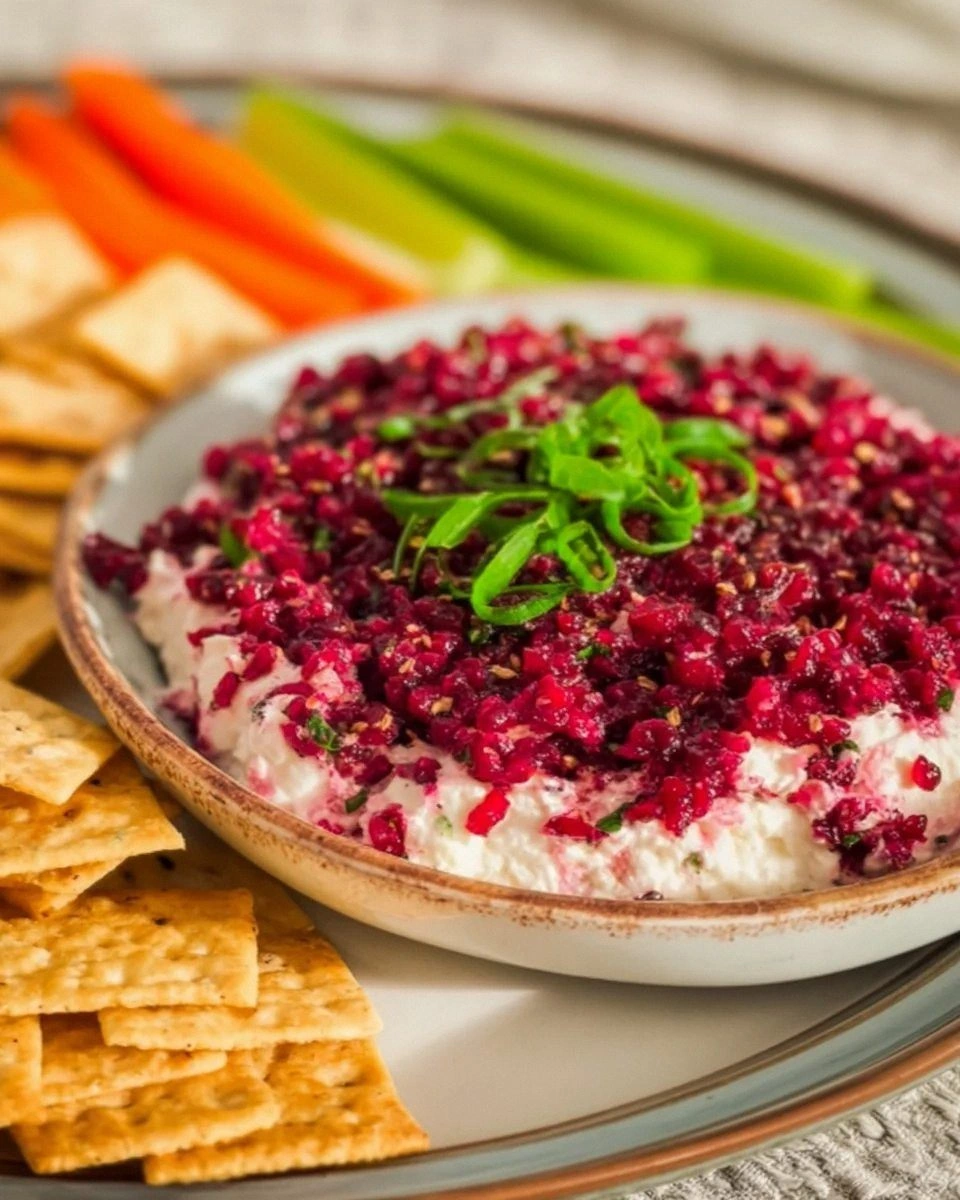
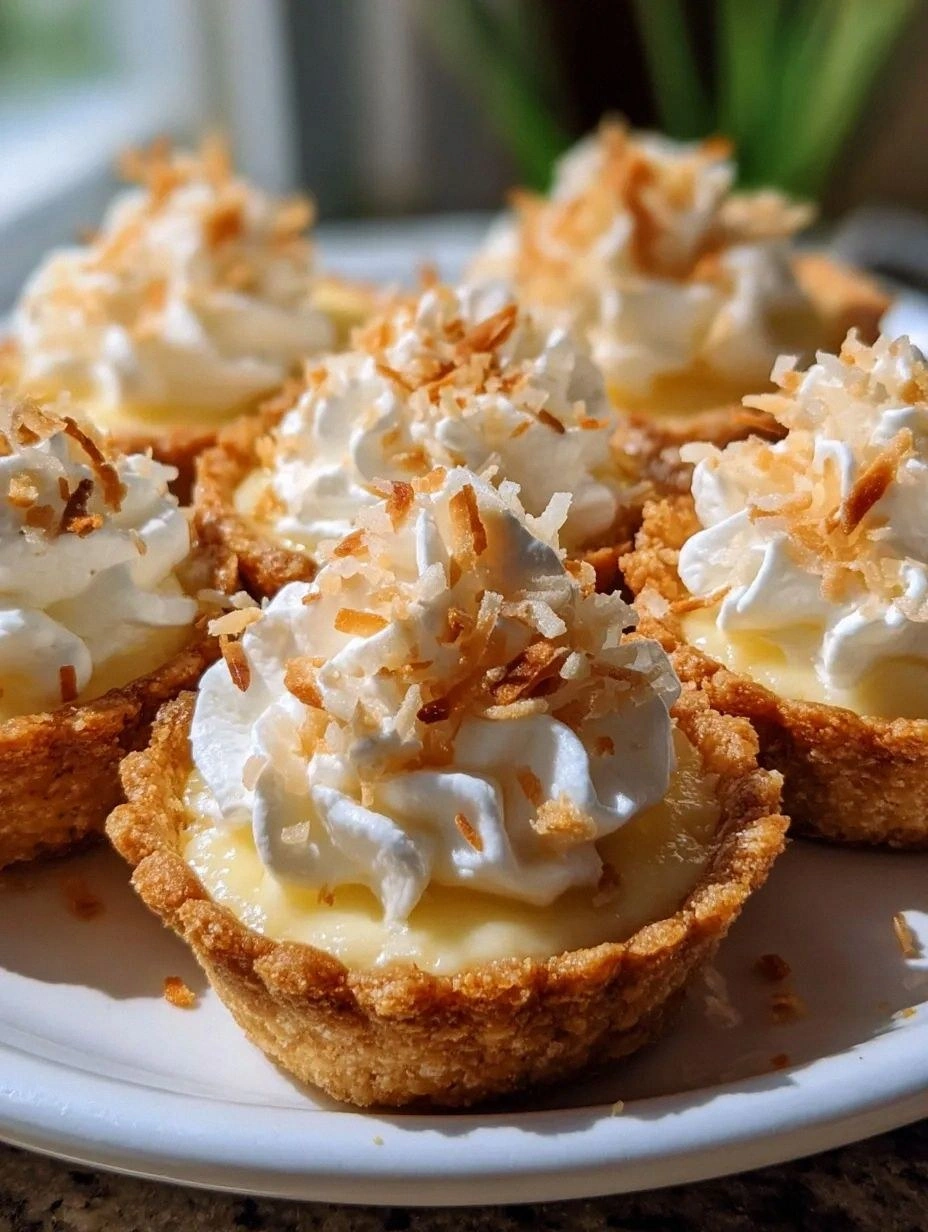
Picture this: I’m standing in the kitchen, a pot of apple cider simmering, the air thick with cinnamon and caramel, when my roommate bursts in, eyes wide, clutching a bag of frozen apples that have been sitting in the freezer for months. “You’re going to make that float thing again?” she chirps, a dare in her voice. I grin, because that’s the moment I realized I’d been living in a culinary fog—until I discovered the Apple Cider Float Ice Cream that turned a simple apple‑filled treat into a symphony of textures and flavors. The first sip was a splash of crisp apples, a whisper of warm spices, and a creamy swirl that felt like a secret hug. That was the spark, the taste that made me vow to share the ultimate version of this dessert with the world.
The kitchen smelled like a late‑afternoon orchard; the apple cider’s sweet tang mingled with the buttery aroma of caramelized sugar, and the gentle clink of a wooden spoon against the pot was the percussion of this culinary orchestra. My fingertips tingled with the heat of the saucepan, the wooden spoon’s surface warm, the sugar crystals glinting like tiny stars. The first bite was a burst of juicy apples, the cinnamon dancing on the tongue, the nutmeg’s earthy undertone grounding the sweetness. The texture was a delicate balance: the ice cream’s silky body clung to the spoon, the apple chunks gave a satisfying bite, and the float of caramelized cider floated like a golden comet. I was hooked, and I knew this was going to be a recipe that would have people saying, “I dare you to taste this and not go back for seconds.”
What sets this version apart is that it’s not just a dessert; it’s an experience that marries the nostalgia of an apple float with the elegance of homemade ice cream. I’ve taken the classic float—apple cider, cinnamon, sugar, and a splash of vanilla—and elevated it into a creamy, custard‑based ice cream that carries the flavors deep into the palate. The apple pieces are cooked to a perfect soft‑tooth, retaining their shape and offering a juicy counterpoint to the dense, velvety ice cream. The caramelized cider infusion gives a depth of flavor that’s hard to find in store‑bought ice creams, and the subtle hint of lemon balances the sweetness, preventing it from becoming cloying. Every spoonful feels like a bite of a crisp apple orchard, a sip of warm cider, and a swirl of creamy indulgence all in one.
I’ll be honest—after making this I ate half the batch before anyone else got to try it. The first scoop was a revelation; the second was a second act, and the third? Well, let’s just say I’m still craving that buttery caramel swirl. The texture is a paradox: smooth as silk, yet with a satisfying bite from the apple chunks. The flavor profile is layered—sweet, spicy, buttery, and a subtle tartness from the lemon that keeps everything in balance. It’s the kind of dessert that makes you feel like you’ve discovered a secret recipe that only the most discerning palates get to taste.
Most recipes get this completely wrong. They either under‑cook the apples, over‑sweeten the ice cream, or forget the caramelized cider that gives the float its signature depth. Here’s what actually works: a slow caramelization of the sugar, a careful balance of spices, and a custard base that freezes with a silky mouthfeel. If you’ve ever struggled with ice cream that’s too hard or too soft, you’re not alone—and I’ve got the fix. Picture yourself pulling this out of the freezer, the whole kitchen smelling incredible, the steam rising like a fragrant cloud, and the first scoop sliding off the spoon like a buttery ribbon. Okay, ready for the game‑changer? This next part? Pure magic. And now the fun part. Stay with me here—this is worth it.
What Makes This Version Stand Out
- Flavor Depth: The caramelized cider infusion gives a rich, buttery sweetness that sets this ice cream apart from the usual apple treats.
- Texture Contrast: The custard base provides silky smoothness, while the apple chunks deliver a juicy bite that keeps every spoonful exciting.
- Spice Balance: A precise blend of cinnamon, nutmeg, and cloves creates a warm, aromatic profile that feels like a cozy autumn evening.
- Sweetness Control: Dual sugars (granulated and brown) allow for a nuanced sweetness that isn’t cloying.
- Make‑Ahead Potential: The custard can be prepared days in advance and frozen, making it a stress‑free dessert for guests.
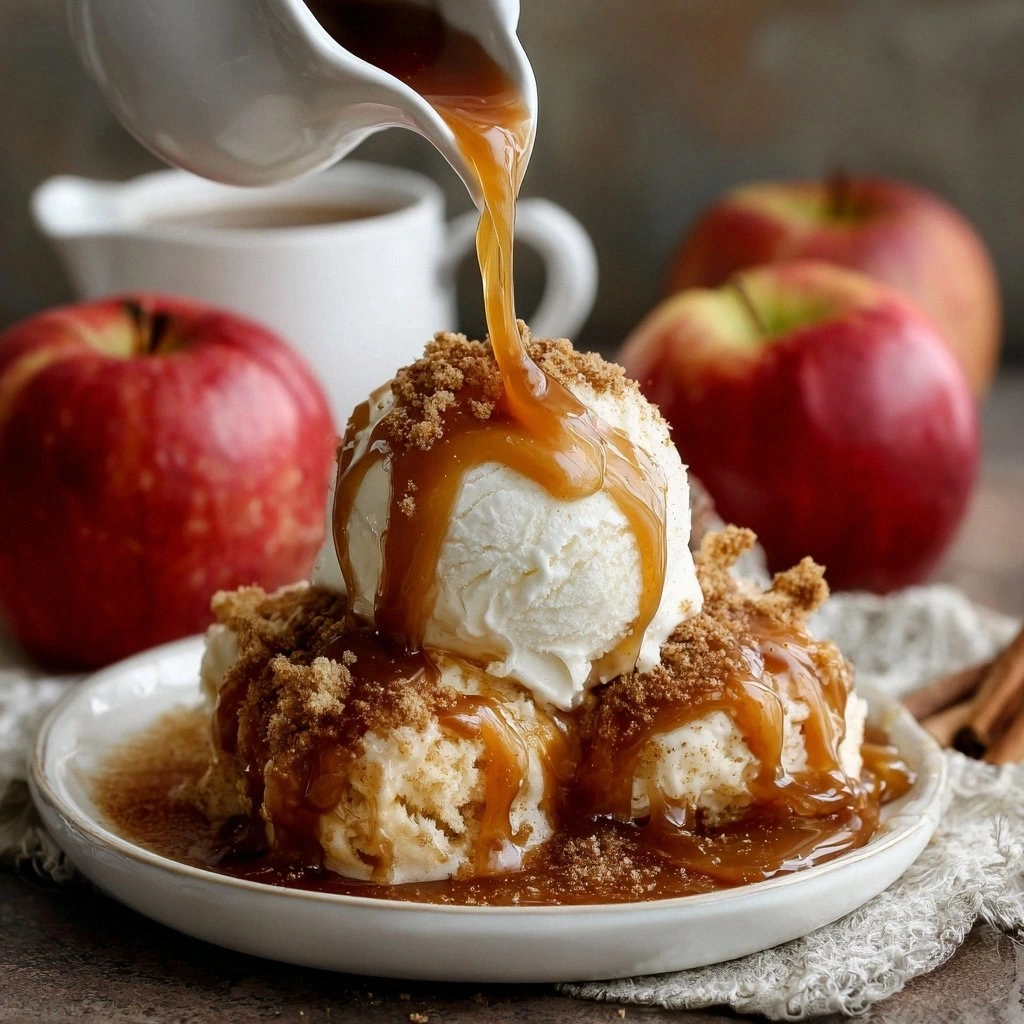
- Visual Appeal: The golden swirl of caramelized cider floats on top, giving a stunning contrast against the pale ice cream.
- Ingredient Quality: Using fresh, high‑quality apples and real apple cider elevates the flavor beyond the ordinary.
- Versatility: It works as a dessert, a brunch treat, or a celebratory dessert for any occasion.
Alright, let's break down exactly what goes into this masterpiece...
Inside the Ingredient List
The Flavor Base
Apple cider isn’t just a liquid; it’s the backbone of this dessert. It carries the apple’s natural sweetness and acts as the medium that dissolves the sugar, creating a caramelized foundation. Without it, the ice cream would taste flat. If you skip the cider, you lose that rich, buttery undertone that makes the float feel indulgent.
The Texture Crew
The diced apples are the stars of the show. Cooked just until tender but still firm, they provide a juicy burst that contrasts the silky custard. The heavy cream and whole milk create a luscious base that freezes to a smooth, scoopable consistency. The gelatin is the secret weapon that stabilizes the ice cream, preventing iciness and ensuring a creamy mouthfeel.
The Unexpected Star
The combination of granulated and brown sugar is a subtle trick. Granulated sugar dissolves quickly, creating the caramelization, while brown sugar adds a molasses depth that enriches the cider’s flavor. The pinch of sea salt is essential—it cuts through the sweetness and brings out the spices.
The Final Flourish
Vanilla extract, lemon juice, and a dash of cloves finish the flavor profile. Vanilla rounds out the spices, while lemon juice brightens the sweetness, preventing a cloying finish. The cloves add a warm, earthy note that lingers, making each spoonful memorable.
Everything's prepped? Good. Let's get into the real action.
The Method — Step by Step
- In a medium saucepan, combine the apple cider, granulated sugar, and brown sugar. Heat over medium heat, stirring until the sugars dissolve. Bring to a gentle simmer; you should see tiny bubbles forming around the edges. This step is where the caramelization begins—watch for the golden hue that signals the cider is ready. Once the mixture is fragrant and slightly thickened, remove it from heat and set aside.
- Add the diced apples to the hot cider mixture. Stir gently so the apples are coated. Allow the apples to cook for about 8–10 minutes, until they’re tender but still hold their shape. The apples absorb the cider’s sweetness, turning them into little pockets of flavor. Keep an eye on the pot; the liquid should reduce slightly, concentrating the taste.
- While the apples are cooking, whisk the eggs, whole milk, and heavy cream in a separate bowl. Add the vanilla extract, lemon juice, cinnamon, nutmeg, cloves, and a pinch of sea salt. The spice blend is crucial—don’t skip it, or the ice cream will feel flat. This mixture will become the custard base, so make sure it’s smooth and well combined.
- Pour the warm cider‑apple mixture into the custard, whisking constantly. This gradual tempering prevents the eggs from scrambling. Once combined, place the saucepan back over low heat. Stir continuously until the mixture thickens enough to coat the back of a spoon. The custard should be thick enough to hold its shape but still pourable. This is the moment of truth—if it’s too thin, it won’t freeze properly.
- Remove the saucepan from heat and let the custard cool to room temperature. The cooling process is vital for the gelatin to work effectively. While the custard is cooling, dissolve the gelatin in 2 tablespoons of cold water. Let it sit for 5 minutes, then gently heat it until fully dissolved. Gelatin stabilizes the ice cream, preventing iciness and ensuring a smooth texture.
- Once the custard has cooled, stir in the dissolved gelatin. The mixture should be silky and homogeneous. Transfer the custard into a shallow container and place it in the freezer for 30 minutes. This first freeze step helps the custard set enough for the ice cream maker to churn it properly.
- After 30 minutes, remove the custard from the freezer and churn it in your ice cream maker according to the manufacturer’s instructions. The churn should take about 20–25 minutes, until the ice cream thickens and has a light, airy consistency. If you don’t have an ice cream maker, use a hand mixer to whisk the custard until it thickens, then freeze.
- During the last 5 minutes of churning, fold in the caramelized cider swirl. This creates a beautiful marbled effect that looks as good as it tastes. The swirl should be visible throughout the ice cream, offering bursts of caramelized flavor with each bite. After churning, transfer the ice cream to an airtight container and freeze for at least 4 hours, or until firm.
- When you’re ready to serve, let the ice cream sit at room temperature for 5 minutes to soften slightly. Scoop into bowls or glasses, and drizzle any remaining caramelized cider on top. The final touch is a sprinkle of ground cinnamon or a dusting of powdered sugar—just enough to finish the presentation. This is the moment to enjoy the full sensory experience: the creamy texture, the apple bite, the caramel swirl, and the fragrant spices.
- If you’re short on time, you can skip the gelatin step, but the texture will be slightly icier. The gelatin not only stabilizes the ice cream but also enhances the mouthfeel, making it silky rather than crunchy. The caramelized cider swirl also adds a layer of flavor that is impossible to replicate with regular ice cream. Remember, the key to this dessert is balance—sweetness, spice, and creaminess all working in harmony.
Insider Tricks for Flawless Results
The Temperature Rule Nobody Follows
The custard must reach exactly 80–85°C before chilling; if it’s too hot, the eggs will scramble, and if it’s too cool, the gelatin won’t activate. Use a digital thermometer to check the temperature accurately. This trick ensures a silky texture and prevents the ice cream from becoming grainy.
Why Your Nose Knows Best
Smell the caramelized cider as it cooks—when it starts to emit a nutty, toasted aroma, you’re in the sweet spot. This sensory cue saves you from over‑cooking the sugar, which could turn it bitter. A well‑caramelized cider gives depth and complexity that elevates the entire dessert.
The 5-Minute Rest That Changes Everything
After you’ve cooled the custard to room temperature, let it rest for 5 minutes before adding gelatin. This short rest allows the flavors to meld and the mixture to thicken slightly, making it easier to incorporate the gelatin smoothly. Skipping this step can lead to a slightly uneven texture.
The Right Container Matters
Use a shallow, metal container for the initial freeze step. Metal conducts cold faster, ensuring the custard sets quickly and is ready for churning. If you use a plastic container, the custard may freeze too slowly, leading to a denser ice cream.
The Perfect Scoop
Let the ice cream sit at room temperature for 3–5 minutes before scooping. This short wait makes it easier to scoop a perfect ball without breaking the surface. The ice cream should still be firm but not rock hard.
The Sweet Spot for Apples
Use firm apples like Honeycrisp or Gala; they hold their shape during cooking. Avoid soft varieties like Fuji or Red Delicious, which can turn mushy. The right apple ensures a juicy bite that contrasts with the creamy base.
The Secret Stabilizer Hack
If you’re in a hurry and can’t wait for the custard to chill, add a splash of cold water to the gelatin before dissolving. This trick speeds up the gelatin’s activation, giving you a smoother texture in less time. It’s a lifesaver for last‑minute dessert prep.
Creative Twists and Variations
This recipe is a playground. Here are some of my favorite ways to switch things up:
Spiced Rum Float
Add 1 tablespoon of dark rum to the caramelized cider during the simmering stage. The rum gives a warm, boozy depth that pairs wonderfully with the apple and spices. Perfect for a holiday gathering.
Cranberry Apple Surprise
Fold in ½ cup of dried cranberries during the last 5 minutes of churning. The cranberries add tartness and a pop of color, creating a festive look and flavor. They also provide a chewy contrast to the creamy base.
Caramelized Banana Twist
Swap half of the diced apples for caramelized banana slices. The banana’s natural sweetness complements the cider, while the caramelization adds a buttery note. This variation turns the dessert into a tropical autumn treat.
Nutty Crunch Layer
During the last 5 minutes of churning, fold in ¼ cup of toasted pecans or walnuts. The crunch adds texture, and the nutty flavor echoes the spices. It’s a delightful surprise in every bite.
Maple Syrup Infusion
Replace ¼ cup of the granulated sugar with pure maple syrup. The maple adds a deep, caramel flavor that enhances the cider’s richness. This version is especially comforting during a chilly evening.
Minty Fresh Variation
Add a handful of fresh mint leaves to the custard before chilling. The mint provides a refreshing counterbalance to the sweetness, making the dessert feel lighter. It’s a great choice for a summer brunch.
Chocolate Drizzle Finale
After serving, drizzle melted dark chocolate over the ice cream. The chocolate’s bitterness cuts through the sweetness, creating a complex flavor profile. It also adds a glossy, decadent look.
Storing and Bringing It Back to Life
Fridge Storage
Store the ice cream in an airtight container in the refrigerator for up to 3 days. If the ice cream hardens, let it sit at room temperature for 5 minutes before scooping. This keeps the texture smooth and prevents ice crystals from forming.
Freezer Friendly
For longer storage, keep the ice cream in a freezer‑safe container for up to 2 months. Cover the surface with parchment paper to prevent freezer burn. When ready to serve, allow it to thaw for 10 minutes before scooping.
Best Reheating Method
If the ice cream has become too hard, gently microwave it for 15–20 seconds on a low setting. Add a tiny splash of water before reheating—it steams back to perfection, restoring the creamy texture without melting it entirely. This trick works best for those who like a slightly softer scoop.