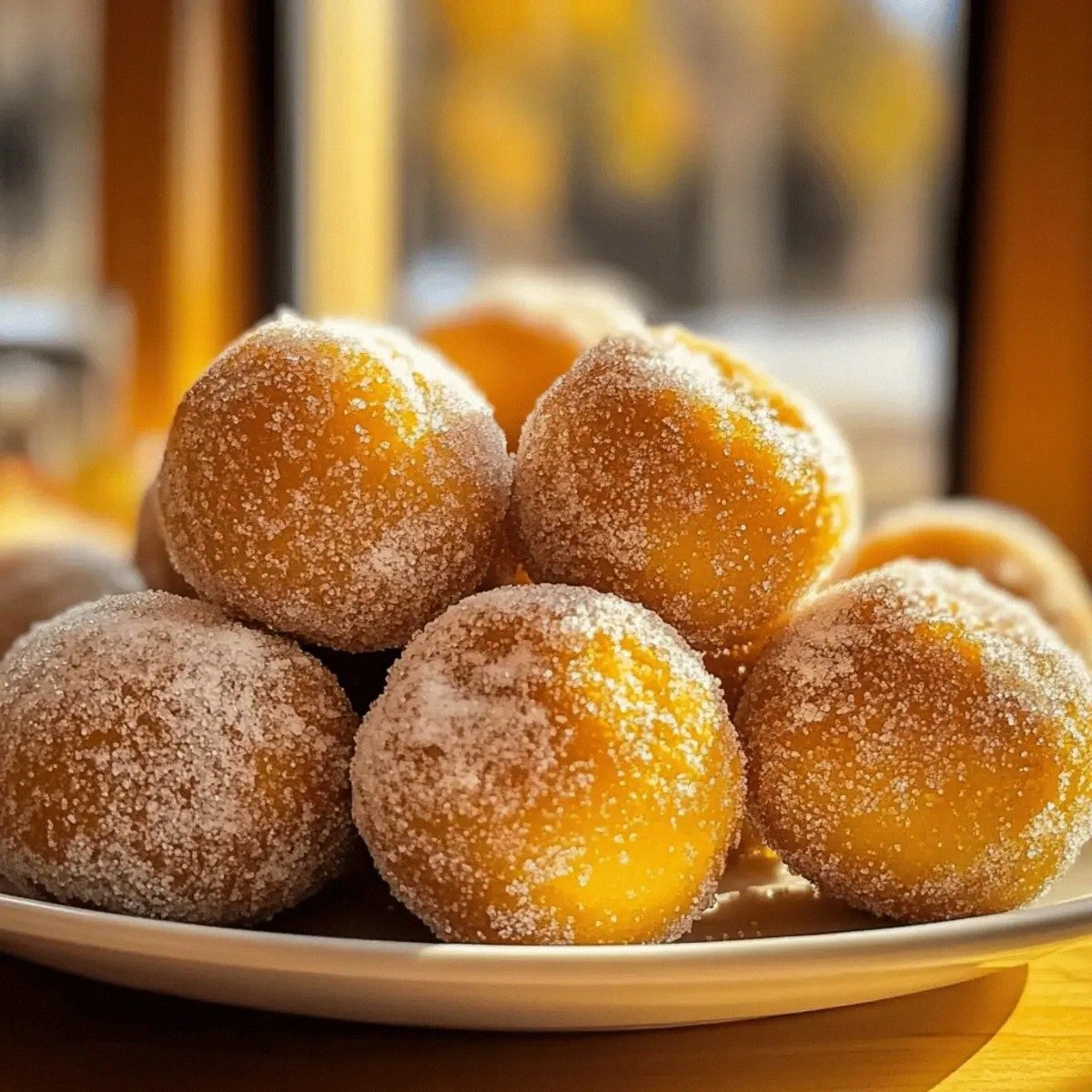
I burned three batches of fried donuts last October before I finally slammed the Dutch oven on my stovetop, swore off bubbling oil for life, and started fiddling with a radical idea: what if the most tender, fragrant, nostalgic pumpkin-spiced bites weren't fried at all? I had flour in my hair, cinnamon on my cheeks, and the stubborn memory of a childhood cider-mill donut clouding every decision. Fast-forward through two weeks of obsessive testing—picture me in mismatched socks at 2 a.m., hand-whisking pumpkin into batter like some kind of autumn-addicted alchemist—and I finally pulled a tray of puffed, bronzed, sugar-crusted spheres from the oven. One bite and I actually laughed out loud, alone in the kitchen, because they tasted exactly like the donuts I grew up chasing through hay bales, minus the greasy fingers and the inevitable "why did I eat four of these" stomach ache.
These baked pumpkin donut holes are the cozy sweater of the pastry world: soft in the middle, lightly crisp at the edges, and perfumed with enough spice to make your entire house smell like a candle store that actually tastes good. They're ridiculously speedy—no yeast, no waiting for dough to rise, no scary oil thermometers—and they vanish from the cooling rack faster than you can say "pass the cider." Picture yourself pulling the pan from the oven, the little domes still hissing with steam, then rolling them through cinnamon sugar while they're warm enough to melt the crystals into a whisper-thin glaze. That first bite? Pure October, even if it's April and you're using canned pumpkin you found in the pantry during a spring-cleaning excavation.
I'll be honest: I ate half the inaugural batch before anyone else got to try them, which is why the second batch happened approximately forty-five minutes later. My neighbor, a self-proclaimed donut snob, tried one and promptly asked if I was secretly moonlighting for a fancy bakery. My kid, who normally peels the frosting off pastries and abandons the cake, inhaled three and asked if we could replace birthday cupcakes with these forever. If you've ever struggled with dry baked donuts or mourned the fact that pumpkin desserts can feel more like damp spice bread than actual treats, you're not alone—and I've got the fix.
The secret lies in treating pumpkin like a flavor agent, not a wet sponge, and in cranking the oven high enough to mimic the quick kiss of hot oil. Stay with me here—this is worth it. Let me walk you through every single step, from choosing the right can of pumpkin to the moment you roll those hot spheres in cinnamon sugar and question every fried donut you've ever loved. By the end, you'll wonder how you ever made it any other way.
What Makes This Version Stand Out
Pillowy Texture: Most baked donuts taste like hockey pucks wearing sugar. These get their cloud-soft crumb from a one-two punch of baking powder and baking soda plus just enough oil to keep them tender without veering greasy.
Spice That Behaves: Too many recipes dump in cinnamon and call it autumn. We layer cinnamon, nutmeg, ginger, and a whisper of clove so every bite tastes like you just dove head-first into a leaf pile.
Foolproof Mixing: No stand mixer, no yeast, no waiting around. One bowl, one whisk, and the batter comes together faster than your coffee brews. If you can stir pancake batter, you can nail this.
Built-In Portion Control: Donut holes feel like free samples, so you can taste-test without slicing into anything. I dare you to eat just one—actually, I dare you to stop at three.
Oven Speed: Nine minutes at 400°F gives you that barely-crisp shell you'd normally need hot oil to achieve. The high heat sets the exterior while the interior stays plush and pudding-soft.
Make-Ahead Magic: Freeze the cooled holes on a tray, toss them in a bag, and you'll have emergency pumpkin bites for any Tuesday that decides it needs dessert. Thirty seconds in the microwave and they're freshly baked again.
Alright, let's break down exactly what goes into this masterpiece, because once you see how humble the lineup is, you'll never pay five bucks for three bakery donut holes again.
Inside the Ingredient List
The Flavor Base
Pumpkin puree is the star, but only if you treat it like concentrate, not baby food. Reach for the plain canned stuff—libby's works like a charm—and avoid the pie filling that's already sugared and spiced. You want one cup, which translates to roughly half a standard can; freeze the rest in tablespoon mounds for tomorrow's smoothie or friday's pancake batter. If you're feeling fancy, roast a sugar pie pumpkin until it collapses, then blitz it silky smooth, but honestly the canned version is more consistent and nobody will taste the difference under all that spice.
Granulated sugar and brown sugar tag-team the sweetness: white for clean structure, brown for caramel depth and that cozy molasses note that screams sweater weather. Skimping here dries out the crumb, while overdoing it turns the holes into sticky puddles that refuse to release from the pan. Trust the ratio—I've sacrificed my waistline to land on the perfect balance.
The Texture Crew
All-purpose flour forms the scaffold. Measure by fluffing the flour, spooning it into the cup, and leveling with a knife; otherwise you'll pack in too much and create dense golf balls. For a tender crumb, we're keeping gluten development low—stir just until the flour streaks disappear. If you want a slightly nuttier backdrop, swap in a quarter cup of white whole-wheat flour; nobody will notice, but you'll feel virtuous.
Eggs supply lift and richness. Two large ones bind the pumpkin and oil while adding structure so the holes don't collapse as they cool. Room-temperature eggs mix more evenly, so pop cold ones in a bowl of hot tap water for three minutes while you gather the other players.
Vegetable oil—or melted butter if you're feeling indulgent—keeps the interior plush. Oil gives a lighter crumb; butter brings extra flavor but can firm up when cold, so pick your adventure. Either way, a quarter cup is all you need, just enough to lubricate the gluten strands without turning breakfast into a grease slick.
The Unexpected Star
Milk thins the batter to a thick but scoopable consistency. Whole milk adds the most velvety texture, but 2% works fine, and oat milk is a stellar dairy-free stand-in. If you absolutely must, even water will do, though the final bite will be slightly less luxurious—still better than any store-bought donut hole, so don't panic.
The Final Flourish
The cinnamon-sugar coating is non-negotiable. Half a cup of sugar laced with a teaspoon of cinnamon rolls onto the hot donut holes, melting ever so slightly to form a whisper-thin shell. You could add a pinch of cardamom or citrus zest for flair, but honestly, classic is classic for a reason. I mix the coating in a shallow soup bowl so the holes have room to tumble around without dumping sugar onto my countertops.
Everything's prepped? Good. Let's get into the real action, where the smell of warm pumpkin and spice starts hijacking every brain cell that previously cared about productivity.
The Method — Step by Step
- Preheat your oven to 400°F and position a rack in the center. While the oven heats, mist a 24-cup mini-muffin tin with nonstick spray or brush lightly with oil. Do not use paper liners—they'll rob you of the crisp edges that make donut holes addictive. This high temperature is the game-changer: it sets the exterior quickly so the interior steams itself fluffy instead of slowly drying out.
- In a medium bowl, whisk together the flour, baking powder, baking soda, salt, cinnamon, nutmeg, and ginger until the mixture looks like uniform sandy clouds. This step disperses the leaveners so you won't hit a bitter pocket of baking soda later. Take a second to inhale; the aroma is basically autumn bottled.
- In a second bowl, whisk the pumpkin, both sugars, eggs, oil, and milk until the mixture resembles a velvety orange milkshake. Make sure no brown sugar lumps lurk on the bottom; they'll create sweet sinkholes in your finished holes. Okay, ready for the fun part?
- Pour the wet ingredients into the dry and fold with a spatula just until the flour streaks vanish. The batter will be thick and slightly lumpy—like yogurt that's been to the gym. Over-mixing develops gluten and you'll end up with chewy spheres that bounce off the countertop instead of melting in your mouth.
- Scoop the batter into the prepared tin, filling each well about three-quarters full. A tablespoon cookie scoop speeds this up and keeps the tops even, but two spoons work fine. Smooth the tops lightly so they bake into tidy domes instead of lopsided volcanoes.
- Bake for nine to eleven minutes, rotating the pan halfway through. You're looking for puffed centers that spring back when lightly pressed and edges that pull away from the tin. If you insert a toothpick, it should come out with a few moist crumbs—not wet batter, but not completely clean either.
- While the holes bake, combine the final sugar and cinnamon in a shallow bowl. As soon as the tin is cool enough to handle without swearing, invert the pan onto a cooling rack. A gentle tap usually releases them, but a thin knife around the edges solves any stubborn stragglers.
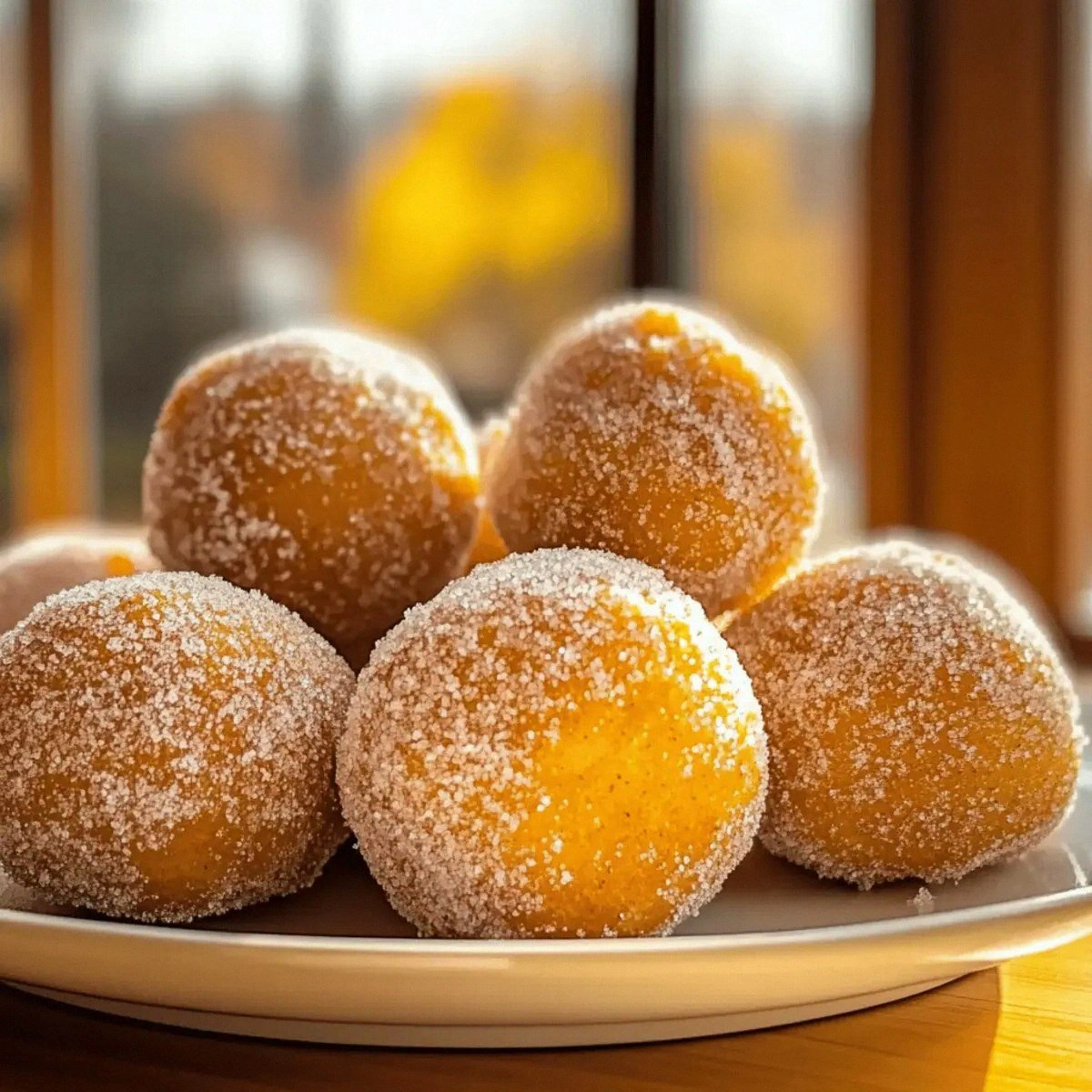
- Roll the hot donut holes in the cinnamon sugar. The residual heat melts the sugar ever so slightly, creating that whisper-thin glaze that locks in moisture. Don't dawdle—if they cool completely the sugar won't stick as well. Eat one naked (quality control) then roll the rest.
That's it—you did it. But hold on, I've got a few more tricks that'll take this from "really good" to "are you sure these aren't from a boutique bakery?" level.
Insider Tricks for Flawless Results
The Temperature Rule Nobody Follows
Room-temperature wet ingredients mix into a smoother emulsion, trapping air that expands in the oven for extra lift. Cold eggs or milk can cause the oil to seize into tiny beads, leading to greasy pockets and uneven texture. If you forgot to pull the eggs out ahead, submerge them in hot tap water for five minutes while you prep the dry mix. Your future self—biting into a feather-light sphere—will thank you.
Why Your Nose Knows Best
When the scent of cinnamon drifts from the kitchen to the living room, the holes are about ninety seconds from perfect. Smell is the most reliable timer once you've baked a batch or two. If your mouth starts watering uncontrollably, sprint to the oven and start the spring-back test. Over-baking past this aromatic cue dries the crumb faster than you can say "pumpkin spice."
The 5-Minute Rest That Changes Everything
Let the tin sit on a cooling rack for five minutes before unmolding. This brief steam loosens the edges without cooking the interior further. Skip it and you'll gouge out donut bottoms; wait too long and sugar won't cling. Set a timer—five minutes is the sweet spot between structural integrity and peak sugar-stickiness.
Double-Coat for Sugar Armor
Want that bakery-style crust? Roll the holes once, let them sit for three minutes so the sugar partialy dissolves, then roll again. The second coat adds a glossy shell that crackles lightly when you bite. Yes, it's extra sugar, but you're not eating these every day—live a little.
Creative Twists and Variations
This recipe is a playground. Here are some of my favorite ways to switch things up:
Maple-Glazed Harvest Bites
Skip the cinnamon sugar and instead dip the cooled holes in a quick maple glaze—whisk 1 cup powdered sugar with 2 tablespoons maple syrup and a splash of milk. Let the glaze set for ten minutes and you've got a glossy, autumnal version that tastes like Sunday morning pancakes.
Chocolate-Covered Pumpkin Truffles
Dip the holes in melted dark chocolate and sprinkle with crushed pepitas. The bitterness of the chocolate plays beautifully against the sweet pumpkin crumb, and the green seeds make them look like fancy bakery jewels. Refrigerate five minutes to set the coating.
Chai-Spiced Clouds
Replace the cinnamon-nutmeg combo with 1 teaspoon chai spice blend plus a pinch of black pepper. Roll in cinnamon sugar laced with a little cardamom. The result tastes like your favorite chai latte in bite-size form.
Cranberry Orange Craters
Fold ⅓ cup dried cranberries and 1 tablespoon orange zest into the batter. The tart berries pop against the mellow pumpkin, and the citrus brightens the whole experience. Perfect for Thanksgiving morning when you want something fruity alongside the parade on TV.
Savory-Sweet Breakfast Bites
Cut both sugars in half and add ½ cup crumbled cooked bacon and ¼ teaspoon black pepper. Roll in maple sugar instead of cinnamon sugar. The smoky-sweet combo turns these into brunch legends that pair shockingly well with strong coffee and a side of scrambled eggs.
Coconut-Vegan Dream
Swap the eggs for 2 tablespoons ground flaxseed whisked with 6 tablespoons water, use full-fat coconut milk, and roll in toasted coconut flakes after the cinnamon sugar. They're dairy-free, egg-free, and somehow still taste like pumpkin coconut cream pie in donut form.
Storing and Bringing It Back to Life
Fridge Storage
Room-temperature holes stay fresh in an airtight container for two days—any longer and they start tasting like spiced cardboard. If you must refrigerate, layer them between parchment and expect a slight texture slump; chilled starch retrogrades faster than you can say "science project." Bring back to room temp before serving, or follow the reheat trick below.
Freezer Friendly
Freeze cooled, uncoated holes on a tray until solid, then toss into a zip-top bag with the air pressed out. They'll keep for two months—well past pumpkin season. When the craving hits, microwave from frozen for twenty seconds, then roll in fresh cinnamon sugar. The texture is almost indistinguishable from day-one.
Best Reheating Method
Pop them in a 300°F oven for five minutes, or microwave eight seconds followed by ten seconds of rest. Add a tiny splash of water to the plate before microwaving; the steam re-softens the crumb without turning the sugar coating to goo. They emerge warm, fragrant, and ready to disappear.