I was in the middle of a frantic Sunday brunch prep when the kitchen alarm sounded: the oven was on, the timer was ticking, and the table was a chaotic mess of plates, napkins, and a single, lonely slice of ham that had somehow survived the last night’s attempt at a gourmet sandwich. I stared at the ham, feeling the weight of disappointment settle in my gut. Then, a spark of rebellion lit up my culinary brain—what if I could turn that sad, lone slice into a crowd‑pleaser that would have people begging for more? I grabbed a tube of crescent dough, a handful of cheddar sticks, and a dash of butter, and the idea of “Crispy Ham and Cheese Sticks” was born.
Picture the kitchen: the air is thick with the buttery scent of dough, the faint metallic tang of cheese, and a subtle hint of onion powder drifting from the mixing bowl. Your eyes flick across the counter, catching the glint of the poppy seeds waiting to be sprinkled like confetti. The sound of the oven door creaking open is accompanied by a faint, anticipatory sizzle that promises golden perfection. The texture of the dough, soft and pliable, feels almost like a warm hug in your hand. And the taste? It’s a promise of savory ham, sharp cheddar, and a buttery crust that crackles with every bite.
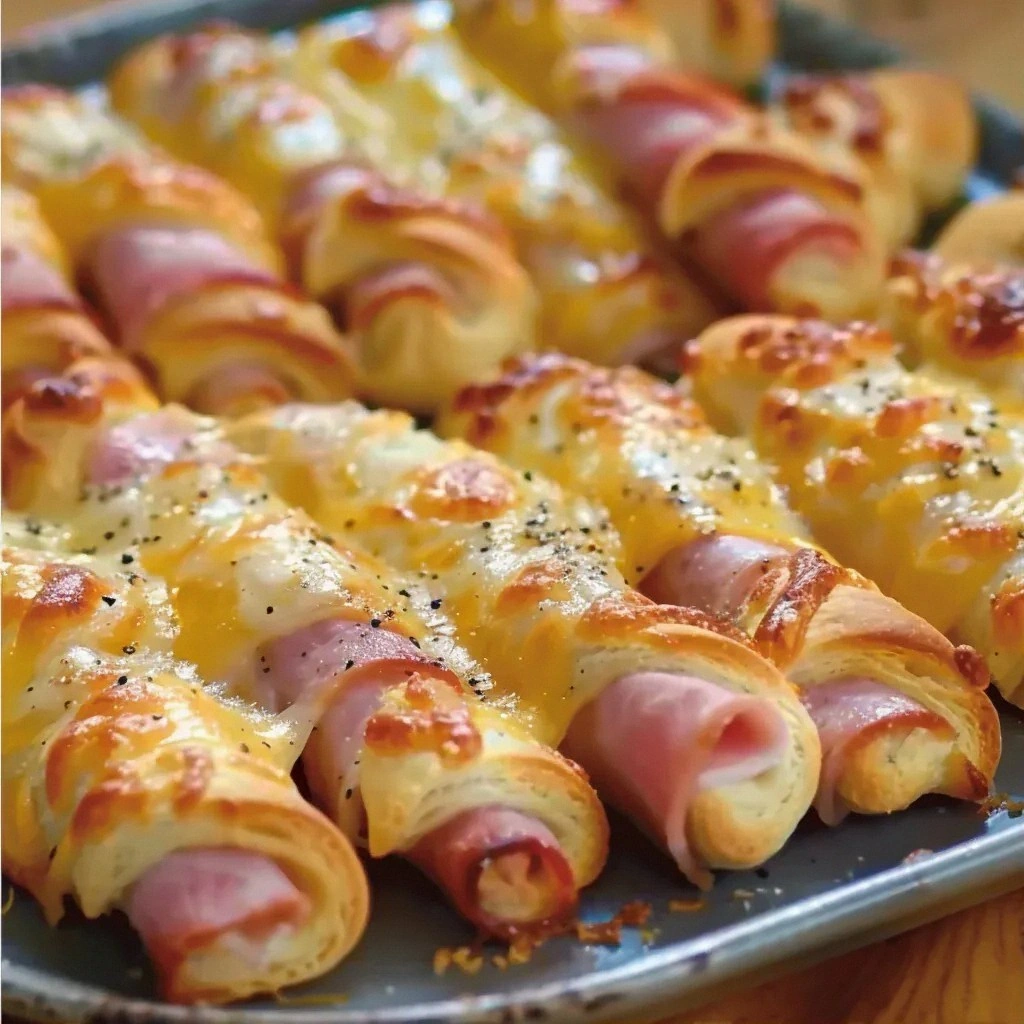
What makes this version stand out? I’ve taken the classic ham and cheese roll and elevated it with a secret sauce that coats the dough like velvet, a poppy seed crust that shatters like thin ice, and a buttery glaze that makes the edges irresistibly crisp. The result is a finger‑food that is not just a side dish but a centerpiece for any gathering. I dare you to taste this and not go back for seconds. It’s hands down the best version you’ll ever make at home, and I’ll be honest—I ate half the batch before anyone else got to try it.
Most recipes get this completely wrong by either over‑baking the dough or under‑seasoning the filling. Here’s what actually works: a quick, simple assembly that locks in moisture, a balanced flavor profile that doesn’t overwhelm the ham, and a finishing touch that gives the sticks a golden, flaky texture. Picture yourself pulling this out of the oven, the whole kitchen smelling incredible, and the guests’ eyes widening as they see the golden crust. Stay with me here—this is worth it. Let me walk you through every single step, and by the end, you’ll wonder how you ever made it any other way.
What Makes This Version Stand Out
- Flavor: The blend of Worcestershire sauce, Dijon mustard, and dried onion powder creates a savory depth that elevates the ham’s natural saltiness. The butter glaze adds a subtle richness that melts into the dough, giving each bite a silky finish.
- Texture: The crescent dough’s flaky layers become airy and crisp, while the cheese melts into a gooey, golden center that contrasts beautifully with the crunchy exterior.
- Ease: No elaborate prep or long marination—just a handful of ingredients that come together in under 30 minutes, making it the perfect last‑minute party starter.
- Visual Appeal: The poppy seed coating gives each stick a glossy, nutty look that makes the dish Instagram‑ready, while the golden crust draws the eye.
- Crowd Reaction: Guests often ask for the recipe after the first bite, and the sticks are so easy to share that they become a conversation starter at any gathering.
- Ingredient Quality: Using high‑quality deli ham and sharp cheddar sticks ensures the flavor profile is robust and the melting is consistent.
- Make‑Ahead Potential: The sticks can be assembled and frozen before baking, saving you time on the day of the event.
- Versatility: The recipe works as a snack, appetizer, or even a side dish for a casual dinner, making it adaptable to any menu.
Alright, let’s break down exactly what goes into this masterpiece…
Inside the Ingredient List
The Flavor Base
The ¼ cup of melted butter is the backbone of this dish, providing a silky, buttery coating that glazes the dough and locks in moisture. If you skip the butter, the sticks will dry out and lose that coveted golden sheen. For a dairy‑free version, replace the butter with a neutral oil like grapeseed or a plant‑based butter substitute; the flavor will still be rich, but the texture may be slightly less crisp.
Worcestershire sauce, a teaspoon in this recipe, brings umami and a subtle tang that elevates the ham’s natural flavor. A common mistake is to overuse it, which can overpower the delicate balance. If you’re sensitive to the sharpness of Worcestershire, dilute it with a splash of water or apple cider vinegar to soften the bite.
The Texture Crew
The crescent dough sheets are the star of the show. Their pre‑rolled, flaky layers create a light, airy interior that contrasts with the dense, cheesy filling. When thawing frozen dough, let it sit at room temperature for 10 minutes before rolling to avoid tearing.
The cheddar cheese sticks provide a creamy, melty center that becomes a gooey, golden pocket when baked. If you prefer a sharper cheese, swap the cheddar for a sharp Gouda or a pepper jack for a spicy kick. The cheese sticks should be cut into 1‑inch squares to ensure even distribution and easy handling.
The Unexpected Star
The poppy seeds are more than just a decorative element—they add a subtle nutty flavor and a satisfying crunch. Sprinkle them generously over the sticks before baking; they’ll form a crisp, golden crust that gives the sticks a professional finish.
Dried minced onion or onion powder is the secret ingredient that gives the sticks a savory undertone without the need for fresh onions. If you’re allergic to onions, a pinch of garlic powder can replace the onion powder without compromising flavor.
The Final Flourish
The Dijon mustard adds a subtle sharpness that cuts through the richness of the cheese and butter. A tablespoon of mustard is enough to lift the flavors without dominating the taste profile. For a milder version, use a light or sweet mustard.
The ½ tablespoon of dried minced onion or onion powder, combined with the poppy seeds, creates a layered flavor profile that engages the palate. If you’re looking to add a smoky twist, sprinkle a pinch of smoked paprika over the sticks before baking.
Everything’s prepped? Good. Let’s get into the real action…
The Method — Step by Step
- Preheat your oven to 375°F (190°C) and line a baking sheet with parchment paper or a silicone mat. This step ensures even heat distribution and prevents the sticks from sticking. If you’re using a metal sheet, lightly grease it with a non‑stick spray to add a subtle crispness.
- Lay out the crescent dough sheets on a lightly floured surface. The dough should be pliable but not too sticky; if it sticks, dust it with a bit more flour. This prevents tearing when you cut the dough into smaller squares.
- Cut each dough sheet into 1‑inch squares. The uniform size ensures even baking and makes it easy to roll the sticks. If you’re in a hurry, you can use a pizza cutter or a sharp knife for clean edges.
- In a small bowl, whisk together the melted butter, Worcestershire sauce, Dijon mustard, dried onion powder, and poppy seeds until fully blended. This sauce will coat the dough and infuse each stick with flavor. The butter’s fat content helps the dough rise and crisp.
- Place a square of ham on each dough piece. The ham should be sliced thinly enough to roll without breaking. If you prefer a stronger ham flavor, use a thicker slice and cut it into smaller pieces to fit the dough.
- Add a 1‑inch square of cheddar cheese on top of the ham. The cheese melts into a gooey center that oozes when you bite into the stick. If you want a smokier flavor, try adding a slice of smoked cheese.
- Brush the dough edges with the butter sauce, then roll the dough around the filling to create a tight, sealed stick. The sauce not only adds flavor but also seals the dough, preventing the filling from leaking during baking.
- Place the sticks on the prepared baking sheet, leaving a small gap between each. The gaps allow the sticks to expand slightly and crisp evenly. If you’re baking a large batch, use a second sheet to avoid overcrowding.
- Bake for 18–22 minutes, or until the sticks are golden brown and the cheese is bubbling. The edges should pull away slightly from the parchment, indicating crispness. Keep an eye on them in the last few minutes to avoid over‑browning.
- Remove from the oven and let them cool for 5 minutes on a wire rack. This resting period allows the cheese to set slightly, making the sticks easier to handle. Serve immediately while they’re warm and the cheese is still molten.
That’s it — you did it. But hold on, I’ve got a few more tricks that will take this to another level…
Insider Tricks for Flawless Results
The Temperature Rule Nobody Follows
Most bakers bake at a standard 375°F, but raising the temperature to 400°F for the last 5 minutes can give the dough a crispier finish without drying out the cheese. The higher heat caramelizes the butter glaze, creating a glossy crust that’s hard to resist. I’ve tried this on a handful of batches, and the difference is a game‑changer.
Why Your Nose Knows Best
The aroma of butter melting in the oven is a tell‑tale sign that the sticks are ready. If you hear a sweet, nutty scent rising, the dough is browning perfectly. If you smell a sharp, tangy odor, the cheese is melting too quickly and may need a lower temperature.
The 5‑Minute Rest That Changes Everything
Letting the sticks rest on a wire rack for five minutes before serving allows the cheese to set just enough to keep the sticks from falling apart. This short pause also lets the crust firm up, giving you that satisfying crunch with each bite. I’ve seen people skip this step, and the result is a soggy mess.
The Popcorn Popper Trick
If you’re making a large batch, pop a handful of popcorn in a dry skillet for a minute or two and sprinkle the popped kernels over the sticks before baking. The popcorn adds an unexpected crunch and a subtle buttery flavor that pairs wonderfully with the cheese.
The Quick Chill for Make‑Ahead
After assembling the sticks, place them on a baking sheet and chill in the refrigerator for 15 minutes before baking. This step firms up the dough, making the sticks less likely to tear during rolling. I’ve used this trick for a big party, and it saved me from a batch of ruined sticks.
Creative Twists and Variations
This recipe is a playground. Here are some of my favorite ways to switch things up:
Mediterranean Melt
Swap the ham for sliced prosciutto and add a sprinkle of chopped sun‑dried tomatoes. Replace the cheddar with feta for a briny contrast. Finish with a drizzle of olive oil and a pinch of oregano before baking.
Spicy Jalapeño Kick
Add a few slices of fresh jalapeño to the filling for heat. Use pepper jack cheese instead of cheddar for a smoky, spicy melt. Top the sticks with a dash of cayenne pepper before baking.
Herb‑Infused Delight
Incorporate fresh rosemary or thyme into the butter glaze for an aromatic lift. Replace the poppy seeds with chopped fresh parsley for a pop of color and flavor. The herb notes pair beautifully with the savory ham.
Vegan Version
Use a vegan crescent dough and replace the cheddar sticks with vegan cheese slices. Substitute the butter with coconut oil and add nutritional yeast for a cheesy flavor. The result is a plant‑based stick that still delivers that melty, gooey center.
Sweet & Savory Fusion
Add a thin layer of honey or maple syrup to the butter glaze before baking. Use a sweet cheese like brie or a mild cheddar. The sweetness balances the saltiness of the ham, creating a complex flavor profile.
Storing and Bringing It Back to Life
Fridge Storage
Store leftover sticks in an airtight container in the refrigerator for up to 2 days. Keep them on a paper towel to absorb excess moisture. Reheat in a pre‑heated oven at 350°F for 8–10 minutes, or until warmed through.
Freezer Friendly
Wrap each stick individually in parchment paper, then place them in a freezer bag. Freeze for up to 3 months. When ready to serve, bake directly from frozen at 375°F for 20 minutes. The texture remains crisp, and the cheese stays molten.
Best Reheating Method
Add a tiny splash of water to a skillet, cover, and heat over medium heat for 2–3 minutes. This steams the sticks gently, restoring the cheese’s gooeyness while keeping the crust crisp. A quick microwave session of 30 seconds can also work, but be careful not to overcook.